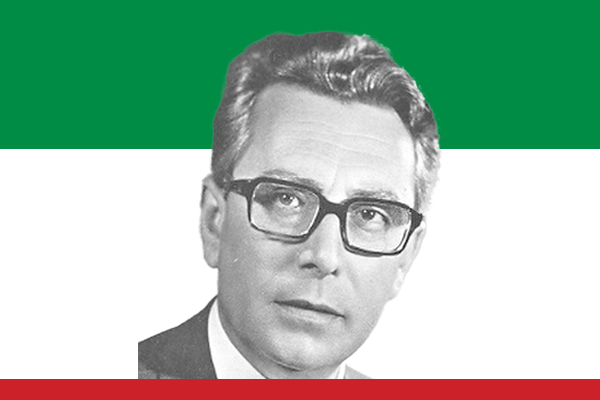
Prime Minister Arnaldo Forlani: Leadership and Legacy
Arnaldo Forlani, a notable Italian politician, played a crucial role in Italy’s political landscape during the late 20th century. Born on December 8, 1925, in Pesaro, Italy, Forlani dedicated his life to public service, shaping policies that influenced Italy’s domestic and international politics. As a member of the Christian Democracy party, he actively participated in national debates and policy-making, leaving a lasting mark on Italian governance.
Early Political Career
Forlani entered politics during the post-World War II era, a period marked by reconstruction and rapid political changes. He actively joined the Christian Democracy party, advocating policies that emphasized social welfare, economic development, and political stability. In the 1950s and 1960s, he held various regional and national positions, where he actively influenced economic planning and social reform initiatives. His early efforts helped consolidate Christian Democracy’s role in guiding Italy through reconstruction and modernization.
Rise to Prominence
By the 1970s, Forlani emerged as one of the Christian Democracy party’s key figures. He actively negotiated alliances, strengthened party unity, and shaped the party’s responses to economic and social challenges. His political acumen allowed him to navigate complex coalition politics, positioning himself as a reliable and influential leader. During this period, he actively participated in drafting economic and social policies that addressed Italy’s inflation, labor unrest, and industrial challenges.
Tenure as Prime Minister
Arnaldo Forlani served as Prime Minister of Italy from 1980 to 1981. During his tenure, he actively led the government, coordinated cabinet decisions, and pursued policies to stabilize the economy and strengthen social programs. He actively managed Italy’s response to internal political tensions and external economic pressures, maintaining a focus on continuity and governance. His leadership emphasized pragmatic solutions and coalition cooperation, ensuring that government policies reflected both social and economic priorities.
Ministerial Contributions
Before and after serving as Prime Minister, Forlani held several key ministerial positions. As Minister of Foreign Affairs, he actively represented Italy in international forums, promoted diplomatic relations, and negotiated trade agreements. As Minister of Industry and Trade, he actively implemented economic policies that stimulated industrial growth and supported technological innovation. Across all his roles, Forlani consistently emphasized efficiency, strategic planning, and Italy’s active participation in global economic and political affairs.
Political Philosophy and Influence
Forlani actively shaped Italian politics through his commitment to Christian Democratic principles. He advocated social responsibility, economic modernization, and political stability. His approach balanced traditional party values with the practical demands of governing a modern European state. He actively mentored younger politicians, ensuring that his vision of governance influenced subsequent generations and maintained continuity in Italian politics.
Legacy
Arnaldo Forlani’s political career reflects active leadership, strategic thinking, and a dedication to public service. He actively contributed to Italy’s governance, party organization, and international diplomacy. Even after leaving high-profile roles, his influence persisted through his writings, speeches, and continued engagement with political circles. His legacy demonstrates the importance of measured leadership, coalition-building, and active participation in shaping national and international policy.
Arnaldo Forlani remains a significant figure in Italy’s political history. Through decades of active service, both as Prime Minister and in various ministerial roles, he shaped policies, strengthened democratic institutions, and left a lasting imprint on Italian governance and international relations.