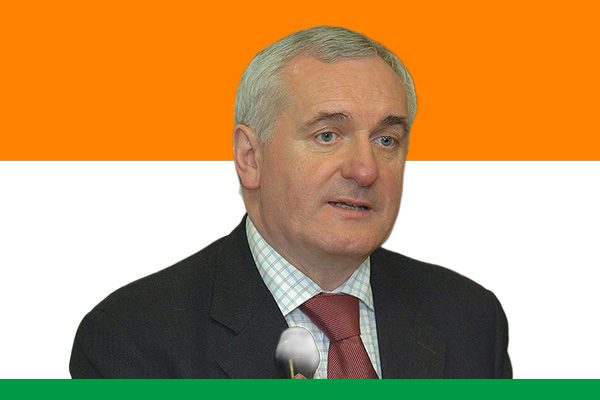
Early Life and Education
Bertie Ahern was born on September 12, 1951, in Dublin. His full name is Bartholomew Patrick Ahern. He grew up in a working-class family and attended local schools in Dublin. From a young age, he showed an interest in public service and politics. After completing his education, he worked as an accountant before entering political life.
Beginning of Political Career
Ahern joined the political party Fianna Fáil at an early age. He became actively involved in local politics and quickly gained recognition for his leadership skills. In 1977, voters elected him to Dáil Éireann, the lower house of the Irish Parliament. His dedication and hard work helped him rise steadily through the ranks of the party.
Throughout the 1980s and 1990s, Ahern held several important government positions. He served as Minister for Labour and later as Minister for Finance. In these roles, he focused on improving economic management and strengthening public services.
Taoiseach of Ireland
In 1997, Bertie Ahern became the Taoiseach of Ireland. During his time in office, Ireland experienced significant economic growth. Many international companies invested in the country, creating jobs and increasing prosperity. The Irish economy expanded rapidly, and living standards improved for many citizens.
One of Ahern’s greatest achievements was his involvement in the Northern Ireland peace process. He worked closely with political leaders from Ireland, Northern Ireland, and the United Kingdom to promote peace and cooperation. His efforts contributed to the successful signing of the Good Friday Agreement in 1998. This agreement helped reduce violence and established a framework for political stability in the region.
Challenges and Resignation
Despite his successes, Ahern faced several challenges during his political career. Questions arose regarding his personal finances and financial transactions. These issues attracted public attention and led to investigations. As pressure increased, Ahern announced his resignation in 2008 and stepped down as Taoiseach.
Although controversy surrounded the end of his political career, many people continued to recognize his contributions to Ireland’s development and the peace process in Northern Ireland.
Legacy
Bertie Ahern remains an important figure in Irish politics. Supporters praise him for helping to secure peace in Northern Ireland and for leading Ireland through a period of economic growth. Historians often highlight his negotiation skills and ability to build consensus among different political groups.
His role in the Good Friday Agreement stands as one of his most significant accomplishments. The agreement transformed relations between communities and contributed to lasting peace in the region. Ahern’s influence on modern Ireland continues to be discussed by political analysts and historians.
Conclusion
Bertie Ahern played a major role in shaping contemporary Ireland. Through his leadership, dedication, and involvement in the peace process, he left a lasting mark on Irish history. While his career included both achievements and controversies, his contribution to political stability and economic progress ensures that he remains a notable figure in the history of Ireland.