Mr. Bill Rowling
In Office: 6 September 1974 – 12 December 1975
Political party: Labour
Home State: Motueka
Lifespan: 1927–1995
Country: New Zealand
Image credits available here.
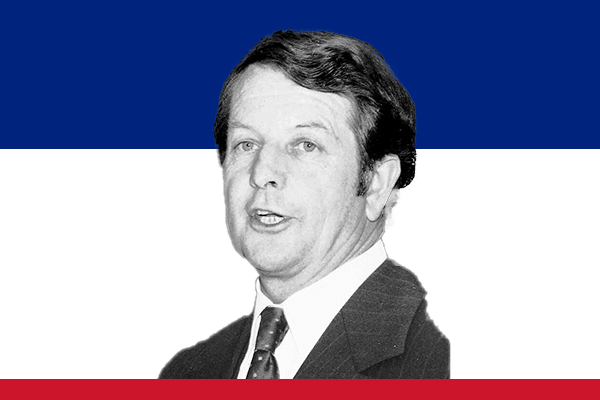
Early Life and Education
Bill Rowling was born on November 15, 1927, in Mariri, near Motueka, New Zealand. He grew up in a modest family and pursued his education at Nelson College. Later, he attended Canterbury University College, where he earned a degree in economics. His academic background laid a strong foundation for his future role in politics, especially in handling economic policies and governance.
Entry into Politics
Rowling started his career as a schoolteacher before venturing into politics. He joined the Labour Party, inspired by its vision of equality and social welfare. In 1962, he successfully contested the Buller electorate, marking the beginning of his political journey. His dedication and hard work quickly earned him recognition within the party, paving the way for greater responsibilities.
Rise to Prime Ministership
Bill Rowling’s political career gained momentum under the leadership of Prime Minister Norman Kirk. He held key positions, including Minister of Finance, where he played a pivotal role in shaping economic policies. In 1974, following the untimely death of Norman Kirk, Rowling was chosen to lead the Labour Party and became New Zealand’s 30th Prime Minister. His rise to the top position highlighted his leadership qualities and the trust his colleagues placed in him.
Key Policies and Achievements
As Prime Minister, Rowling focused on economic stability, social welfare, and international relations. He introduced policies aimed at strengthening New Zealand’s economy and addressing inflation challenges. His government also emphasized education reforms, healthcare improvements, and environmental protection. Additionally, Rowling promoted New Zealand’s independent foreign policy, advocating for nuclear disarmament and regional cooperation.
Challenges During Tenure
Despite his achievements, Bill Rowling faced significant challenges. The global economic downturn of the 1970s affected New Zealand’s economy, leading to rising unemployment and inflation. Moreover, political opposition from the National Party tested his leadership. In the 1975 general elections, Rowling’s Labour Party was defeated by Robert Muldoon’s National Party, ending his tenure as Prime Minister.
Later Political Career and Contributions
After losing the Prime Ministership, Rowling continued to serve as the Leader of the Opposition until 1983. He remained active in politics, contributing to policy debates and mentoring young leaders. His commitment to democratic principles and public service earned him respect across party lines.
Legacy and Impact
Bill Rowling’s leadership marked a transitional phase in New Zealand’s political history. Though his tenure as Prime Minister was brief, his emphasis on economic reform, social justice, and international diplomacy left a lasting legacy. He is remembered as a dedicated leader who served New Zealand with integrity and vision.
Conclusion
Bill Rowling’s journey from a small-town teacher to the Prime Minister of New Zealand reflects determination and public service. His contributions to politics, economic policies, and social welfare continue to influence the nation’s development. As a leader, he upheld democratic values and worked tirelessly for the betterment of New Zealand.