Early Life and Education
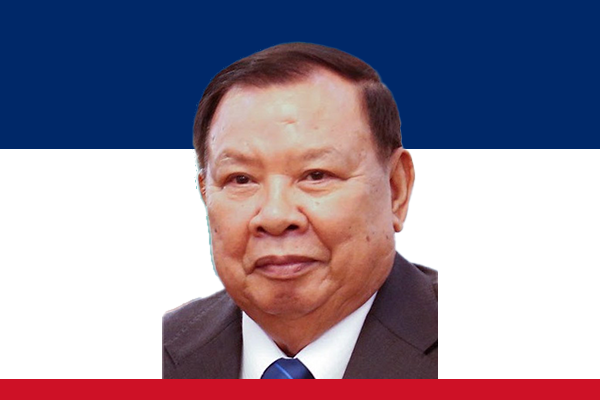
Bounnhang Vorachit was born into a rural family in southern Laos. From a young age, he showed a keen interest in political and social issues, which later guided his career path. He received his initial education locally and gradually became involved in revolutionary activities during the 1950s and 1960s, a period marked by political upheaval and the struggle for national independence in Laos. His early experiences helped him develop leadership skills and a deep understanding of the challenges facing his country.
Political Career and Rise to Prominence
Bounnhang’s political career began with his active involvement in the Lao People’s Revolutionary Party. Over the years, he held multiple key positions, including provincial leadership roles and ministerial appointments. His ability to navigate complex political landscapes and build consensus made him a respected figure within the party.
In 2001, Bounnhang Vorachit was appointed Vice President of Laos, a role in which he contributed to national policymaking and the implementation of development strategies. His tenure as Vice President set the stage for his eventual rise to the highest levels of political leadership.
Tenure as Prime Minister
Bounnhang Vorachit served as the Prime Minister of Laos from 2001 to 2006. During his tenure, he focused on economic reforms, poverty reduction, and improving social services. He recognized the importance of balancing rapid economic growth with social equity, promoting policies that aimed to improve living standards across the country.
Under his leadership, Laos strengthened its infrastructure and expanded access to education and healthcare. Bounnhang also emphasized agricultural modernization, recognizing the central role of agriculture in the Laotian economy. His government introduced measures to increase productivity, support rural communities, and encourage sustainable development.
Regional and International Engagement
As Prime Minister, Bounnhang Vorachit actively represented Laos in regional and international forums. He worked closely with the Association of Southeast Asian Nations (ASEAN) to promote regional cooperation, economic integration, and political stability. His diplomatic efforts helped strengthen Laos’ relationships with neighboring countries and enhanced the country’s global profile.
Bounnhang also focused on attracting foreign investment and promoting trade, contributing to Laos’ gradual integration into the global economy. His pragmatic approach to international relations combined respect for national sovereignty with a commitment to collaboration and partnership.
Leadership Style and Legacy
Bounnhang Vorachit is known for his pragmatic and cautious leadership style. He emphasizes consensus-building, long-term planning, and social stability. His approach reflects the political traditions of Laos while adapting to the challenges of modernization and economic growth.
His legacy includes not only his contributions as Prime Minister but also his later role as General Secretary of the Lao People’s Revolutionary Party from 2016 to 2021, the highest position in the country. Throughout his career, Bounnhang has maintained a reputation for integrity, dedication, and a steady hand in governance.
Conclusion
Prime Minister Bounnhang Vorachit’s life and career illustrate the trajectory of a committed political leader who rose through the ranks to shape the development and governance of Laos. His tenure as Prime Minister contributed to national development, regional diplomacy, and social progress, leaving a lasting impact on Laotian politics and society. His leadership remains a reference point for understanding the evolution of Laos in the 21st century.