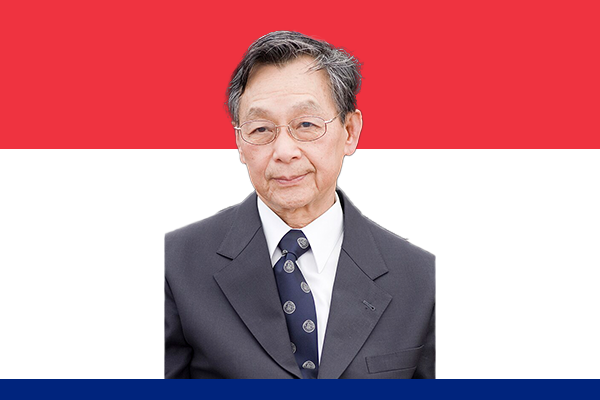
Mr. Chuan Leekpai
In Office: 9 November 1997 – 9 February 2001
23 September 1992 – 13 July 1995
Political Party: Democrat
Home State: Mueang Trang
Lifespan: born 1938
Country: Thailand
Image credits available here.
Early Life and Education
Chuan Leekpai was born on July 28, 1938, in Trang Province, southern Thailand. He grew up in a modest family and learned the value of discipline and education from an early age. Chuan completed his early education in Thailand and later pursued higher studies in law. He earned a law degree from Thammasat University and continued his studies in the United Kingdom, where he gained exposure to democratic institutions and parliamentary traditions. This education strongly influenced his political ideals and leadership style.
Entry into Politics
Chuan Leekpai entered politics with a clear vision of democratic reform. He joined the Democrat Party, Thailand’s oldest political party, and quickly gained recognition for his integrity and legal expertise. He won election to the House of Representatives and steadily built trust among colleagues and voters. Chuan focused on constitutional principles, civil liberties, and institutional accountability, which distinguished him from many contemporaries.
First Term as Prime Minister (1992–1995)
Chuan Leekpai became Prime Minister for the first time in 1992, following a period of political unrest. He formed a civilian government and worked to restore public confidence in democratic rule. During this term, he strengthened parliamentary processes and promoted political stability. His administration emphasized clean governance and reduced military influence in politics. Chuan’s calm leadership helped Thailand move away from confrontation toward democratic normalization.
Second Term as Prime Minister (1997–2001)
Chuan Leekpai assumed office for a second time in 1997, during the Asian Financial Crisis. Thailand faced severe economic hardship, currency collapse, and rising unemployment. Chuan took decisive steps to stabilize the economy and restore international confidence. His government implemented economic reforms, worked with international financial institutions, and strengthened fiscal discipline. Although these measures proved difficult for the public, they helped lay the foundation for long-term recovery.
Leadership Style and Values
Chuan Leekpai led with humility and moral discipline. He lived simply and avoided displays of wealth or power. His leadership style focused on consensus-building rather than confrontation. Chuan valued democratic debate, respected opposition voices, and upheld the rule of law. Many citizens admired him as a symbol of ethical politics in a system often criticized for corruption.
Role After the Premiership
After serving as Prime Minister, Chuan Leekpai continued to contribute to Thai politics. He served as Speaker of the House of Representatives and played an important role in strengthening parliamentary procedures. He remained an influential senior statesman within the Democrat Party and Thai political life. Chuan consistently advocated peaceful political dialogue and constitutional solutions to national problems.
Legacy and Historical Significance
Chuan Leekpai left a lasting legacy as a principled democratic leader. He demonstrated that honesty and constitutional commitment could coexist with effective governance. His leadership during times of crisis earned respect both domestically and internationally. Many consider him a benchmark for ethical political leadership in Thailand’s modern history.
Conclusion
Prime Minister Chuan Leekpai shaped Thailand’s democratic journey through integrity, patience, and responsible leadership. His two terms as Prime Minister reflected dedication to democratic values and national stability. Chuan Leekpai remains an enduring example of clean governance and democratic commitment in Thai politics.