Mr. Daniyal Akhmetov
In Office: 13 June 2003 – 8 January 2007
Political Party: Amanat
Home State: Pavlodar
Lifespan: born 1954
Country: Kazakhstan
Image credits available here.
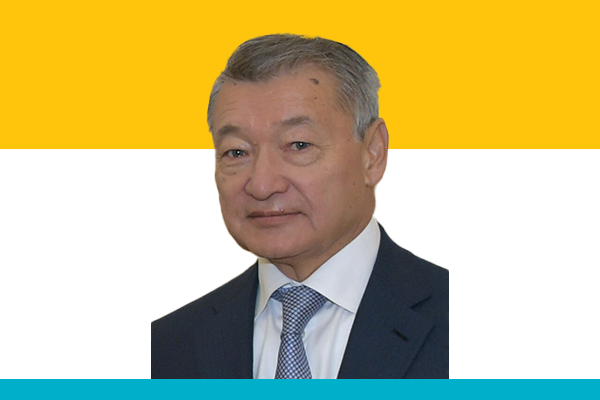
Early Life and Education
Daniyal Akhmetov was born in 1954 in Kazakhstan. He pursued higher education in engineering and economics, fields that later influenced his technocratic approach to governance. His academic background equipped him with analytical skills and a practical understanding of large-scale industrial and infrastructural systems. These qualities became evident throughout his career in public administration, where he emphasized planning, efficiency, and measurable outcomes.
Rise in Public Service
Before becoming Prime Minister, Akhmetov held several senior positions in Kazakhstan’s regional and national administration. He served as a regional governor (akim), where he gained hands-on experience managing local economies, industrial enterprises, and social development programs. This period helped him develop a reputation as a disciplined administrator capable of implementing central government policies at the regional level while addressing local challenges.
Appointment as Prime Minister
In 2003, Daniyal Akhmetov assumed office as the Prime Minister of Kazakhstan. His appointment came at a time when the country sought to consolidate economic growth fueled by energy resources while strengthening state institutions. As Prime Minister, Akhmetov worked closely with the president, reflecting Kazakhstan’s centralized political structure. His role focused on translating strategic national goals into concrete government programs.
Economic Policies and Reforms
Economic management stood at the core of Akhmetov’s premiership. He supported policies aimed at sustaining growth, improving industrial output, and modernizing infrastructure. His government emphasized fiscal discipline, investment in key sectors, and gradual diversification of the economy. While Kazakhstan remained heavily dependent on natural resources, Akhmetov promoted initiatives designed to strengthen manufacturing, energy infrastructure, and transport networks.
Governance and Leadership Style
Akhmetov’s leadership style was often described as technocratic and results-oriented. Rather than pursuing dramatic political reforms, he focused on administrative efficiency and policy implementation. He valued stability and continuity, believing that consistent governance was essential for economic progress. His approach aligned with the broader political philosophy of the Kazakhstani leadership during that period, which prioritized order and gradual change over rapid transformation.
Challenges and Criticism
Like many leaders in transitional economies, Akhmetov faced challenges related to corruption, bureaucratic inertia, and social inequality. Critics argued that reforms under his government did not go far enough in improving transparency and political participation. Others pointed to the limited pace of economic diversification. Despite these criticisms, his administration maintained macroeconomic stability and continued to attract foreign investment.
Later Career and Legacy
After leaving the post of Prime Minister in 2007, Daniyal Akhmetov continued to serve the state in other high-level roles, including regional leadership positions. His career reflects the continuity of Kazakhstan’s political elite and the reliance on experienced administrators. Akhmetov’s legacy lies in his contribution to stabilizing governance and managing economic growth during a formative phase of Kazakhstan’s modern history.
Conclusion
Daniyal Akhmetov remains an important figure in Kazakhstan’s political landscape. As Prime Minister, he embodied a pragmatic, administrative approach to leadership, focusing on economic management and institutional stability. While debates continue about the depth and scope of reforms during his tenure, his role in guiding Kazakhstan through a period of consolidation and growth remains a significant chapter in the country’s political history.