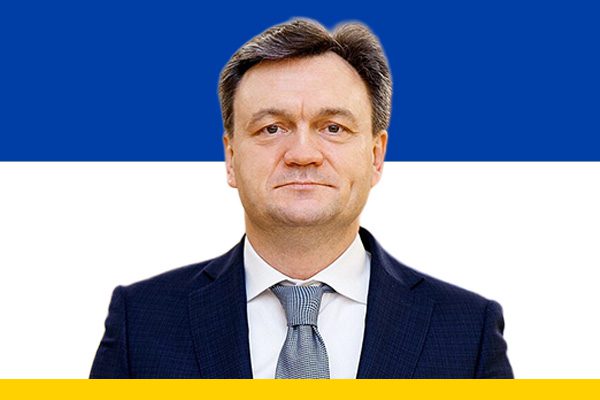
Early Life and Education
Natalia Gavrilița was born on September 21, 1977, in Moldova. From an early age, she showed a strong interest in economics and public policy. She pursued higher education in economics and later expanded her knowledge through international studies. Her academic background provided her with the skills needed to address complex financial and administrative challenges.
She studied at the State University of Moldova and later earned a master’s degree in public policy. Her education helped her develop a deep understanding of economic management, governance, and public-sector reform.
Professional Career
Before entering high-level politics, Gavrilița worked in both the public and private sectors. She gained valuable experience in economic analysis, financial management, and development projects. Her work allowed her to understand the challenges facing Moldova’s economy and public institutions.
She also worked with international organizations and development partners. These experiences strengthened her expertise in economic planning and public administration. As a result, she became known as a capable professional with strong leadership abilities.
Political Career
Natalia Gavrilița entered national politics with a focus on reform and modernization. Between 2019 and 2020, she served as the Minister of Finance of Moldova. In this role, she managed public finances and supported policies aimed at improving fiscal stability and transparency.
In 2021, the governing Party of Action and Solidarity nominated her for the position of Prime Minister. After receiving parliamentary approval, she became the Prime Minister of Moldova in August 2021. Her government concentrated on fighting corruption, improving public services, and strengthening the economy.
During her tenure, she worked closely with President Maia Sandu to advance reforms and promote democratic values. Together, they supported Moldova’s efforts to build stronger institutions and increase cooperation with European partners.
Leadership and Achievements
As Prime Minister, Gavrilița faced several major challenges. The COVID-19 pandemic continued to affect the economy and public health systems. In addition, regional instability created economic and security concerns for Moldova.
Despite these difficulties, she pursued reforms designed to improve government efficiency and attract investment. Her administration emphasized transparency, accountability, and responsible financial management. She also supported initiatives that strengthened Moldova’s relationship with the European Union.
One of her significant achievements involved helping Moldova move closer to European integration. Her government worked to align national policies with European standards and encouraged cooperation with international partners.
Resignation and Legacy
In February 2023, Natalia Gavrilița resigned as Prime Minister. She stated that the country needed renewed energy to address ongoing challenges. Although her time in office was relatively short, many observers recognized her efforts to modernize governance and promote economic stability.
Her leadership demonstrated a commitment to reform, democratic principles, and international cooperation. She remains an influential figure in Moldovan politics and public life.
Conclusion
Natalia Gavrilița has played an important role in shaping modern Moldova. Through her work as an economist, finance minister, and prime minister, she contributed to economic reform and institutional development. Her dedication to transparency, accountability, and European integration has left a lasting impact on Moldova’s political landscape. As the country continues its path toward modernization, her contributions remain an important part of its recent history.