Mr. Dumitru Braghis
In Office: 21 December 1999 – 19 April 2001
Political Party: Independent
Home State: Pîrjolteni
Lifespan: born 1957
Country: Moldova
Image credits available here.
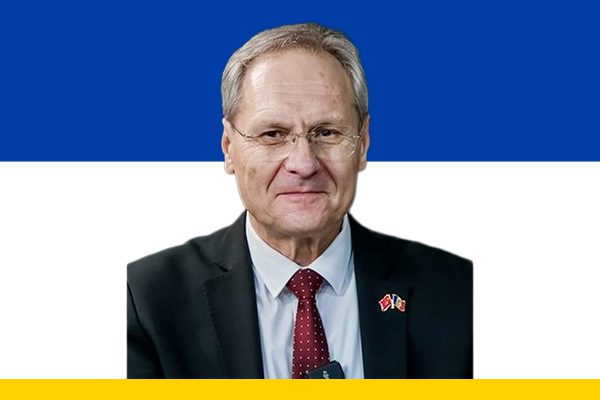
Early Life and Education
Dumitru Braghiș was born on December 28, 1957, in the former Moldavian Soviet Socialist Republic, which later became the independent Republic of Moldova. He pursued higher education and developed a strong interest in economics, management, and public administration. His education provided the foundation for his future career in government and politics.
As a young professional, Braghiș worked in various administrative and governmental positions. These experiences helped him understand the challenges faced by ordinary citizens and the importance of effective public policies.
Entry into Politics
During the late Soviet period and the early years of Moldovan independence, Dumitru Braghiș became involved in public administration. He gained valuable experience by working in government institutions and participating in economic development projects.
His practical approach to governance earned him respect among political leaders and public officials. Over time, he built a reputation as a capable administrator who focused on solving problems and improving government performance.
Prime Minister of Moldova
In December 1999, Dumitru Braghiș became the Prime Minister of Moldova. At that time, the country faced serious economic challenges, including low incomes, unemployment, and financial instability. As Prime Minister, he introduced policies aimed at stabilizing the economy and encouraging growth.
Braghiș worked to improve cooperation between government agencies and international organizations. He supported reforms designed to strengthen public institutions and attract foreign investment. His administration focused on maintaining economic stability while addressing the social needs of the population.
Although his term lasted until April 2001, he played an important role in guiding Moldova through a difficult transition period. His government emphasized responsible economic management and closer engagement with international partners.
Political Activities and Diplomacy
After serving as Prime Minister, Dumitru Braghiș remained active in Moldovan politics. He participated in elections and continued to advocate for economic modernization and democratic governance.
In addition to his political work, Braghiș represented Moldova in diplomatic roles. He served as an ambassador and worked to strengthen Moldova’s relationships with other countries. Through diplomacy, he promoted cooperation in trade, culture, and international development.
His diplomatic efforts helped increase Moldova’s visibility on the global stage and supported the country’s foreign policy objectives.
Leadership Style and Contributions
Dumitru Braghiș is known for his pragmatic and professional approach to leadership. Rather than focusing on political conflicts, he often emphasized practical solutions to economic and administrative problems.
His contributions include supporting economic reforms, encouraging international cooperation, and promoting stable governance. Many observers recognize his efforts to manage the country during a period of significant political and economic change.
Legacy
Dumitru Braghiș remains an important figure in Moldova’s modern political history. His service as Prime Minister and diplomat demonstrated his commitment to public service and national development. While different political groups may evaluate his policies in different ways, many acknowledge his role in helping Moldova navigate a complex period of transformation.
Today, Braghiș is remembered as a leader who sought to strengthen Moldova’s institutions, improve economic conditions, and represent his country in the international community. His career continues to serve as an example of dedication to public administration, diplomacy, and national progress.