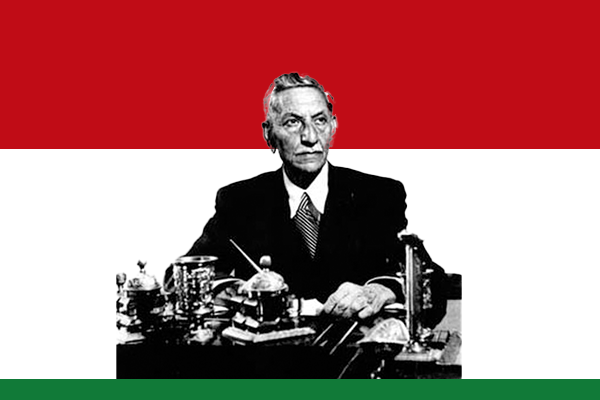
Early Life and Path to Leadership
Ebrahim Hakimi, born in 1871 into a respected Azerbaijani-Iranian family, grew up in an environment that encouraged intellectual curiosity and public service. His strong interest in governance and diplomacy motivated him to pursue advanced studies, and he soon became known for his analytical thinking and calm political demeanor. Hakimi entered public life with a desire to modernize Iran and strengthen its administrative institutions. His reputation for honesty and competence helped him rise steadily through government ranks. Over time, he earned respect as a dedicated civil servant committed to stabilizing the nation during periods of political crisis.
Rise in Iranian Politics
Hakimi built his political career by taking active roles in constitutional government and public administration. He advised monarchs, engaged in legislative discussions, and shaped policies designed to protect national sovereignty. His ability to negotiate effectively and maintain neutrality in factional conflicts made him a valuable figure in Iranian politics.
As turmoil escalated in the early 20th century, various political leaders turned to Hakimi for guidance. His skillful handling of sensitive issues prepared him for higher responsibilities, eventually leading him to become Prime Minister multiple times.
First Term as Prime Minister
Hakimi assumed the role of Prime Minister for the first time in 1945. He entered office with a clear goal: strengthen the government while maintaining Iran’s independence during the closing months of World War II. He confronted immense foreign pressure, especially from powerful nations seeking influence in Iran’s northern provinces.
Hakimi actively pursued diplomatic strategies to protect Iranian sovereignty. He appealed to international organizations and communicated with global leaders to counter growing external interference. Although he faced constraints, he consistently defended Iran’s territorial integrity.
Second and Third Terms
Hakimi returned as Prime Minister twice more, first in late 1946 and again in 1947. During these terms, he focused on restoring internal order and improving communications between the monarchy, parliament, and rising political factions. He pushed for administrative reforms, encouraged economic stability measures, and attempted to balance competing interests at a time when political tensions ran high.
In each term, he acted with caution and responsibility, believing that Iran needed unity rather than confrontation. His efforts to manage foreign policy challenges—especially those involving the Soviet Union—demonstrated his commitment to diplomacy over conflict.
Political Philosophy and Governance Style
Hakimi governed with a moderate and pragmatic approach. He valued constitutional principles and believed that strong institutions could protect the nation from instability. His calm temperament helped him negotiate difficult situations, while his respect for legal processes earned him credibility among lawmakers.
He supported modernization but insisted on gradual reform to avoid additional turmoil. His leadership style emphasized dialogue, compromise, and preservation of national dignity.
Later Years and Legacy
After leaving office, Hakimi continued to serve Iran in advisory roles. He remained a respected elder statesman who guided younger leaders and contributed to political discussions. Even though he did not seek fame or personal power, he left a legacy defined by integrity and commitment to national sovereignty.
Ebrahim Hakimi’s career reflects a period when Iran faced overwhelming foreign and domestic pressures. He stood firm in defending Iranian independence, and his decades of service helped shape the country’s political evolution. His leadership continues to symbolize moderation, professionalism, and dedication to public service.