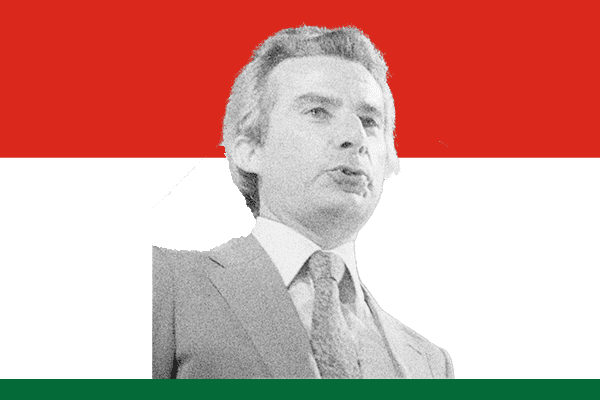
Early Life and Education
Francisco Sá Carneiro was born on July 19, 1934, in Porto, Portugal. He grew up in a middle-class family that valued education and civic responsibility. He studied law at the University of Lisbon, where he developed a strong interest in justice and governance. Instead of limiting himself to academic learning, he actively engaged in discussions about political reform and social change.
He built a successful career as a lawyer and journalist. Through his writing, he expressed critical views about the authoritarian Estado Novo regime. His early experiences shaped his commitment to democracy and individual freedoms.
Entry into Politics
Sá Carneiro entered politics during a period of transformation in Portugal. After the Carnation Revolution ended authoritarian rule, he seized the opportunity to contribute to democratic development. He co-founded the Social Democratic Party (PSD), which quickly became a major political force.
Rather than remaining passive, he actively organized the party, defined its ideology, and built public support. He positioned the PSD as a center-right party committed to democracy, economic reform, and social progress.
Rise to Leadership
Sá Carneiro’s leadership skills propelled him to national prominence. He served as a member of parliament and became a leading voice in shaping Portugal’s new constitution. He advocated for policies that balanced economic freedom with social responsibility.
In 1980, he became Prime Minister of Portugal as the leader of the Democratic Alliance coalition. He immediately began implementing reforms aimed at stabilizing the economy and strengthening democratic institutions. He focused on reducing state control, encouraging private enterprise, and improving governance.
Prime Ministership and Policies
As Prime Minister, Sá Carneiro actively pursued economic and political reforms. He worked to modernize Portugal’s economy and integrate it more closely with Western Europe. He also strengthened relations with international partners, positioning Portugal as a stable democracy.
He did not hesitate to challenge entrenched interests. Instead, he took bold steps to reform public administration and promote efficiency. His leadership style combined determination with a clear vision for the country’s future.
Tragic Death
Francisco Sá Carneiro’s life and career were cut short by tragedy. On December 4, 1980, he died in a plane crash near Lisbon while traveling to a political event. His sudden death shocked the nation and created a period of uncertainty in Portuguese politics.
The circumstances surrounding the crash sparked debate and investigation for years. Despite this tragedy, his contributions to democracy remained widely recognized and respected.
Legacy and Significance
Sá Carneiro’s legacy continues to influence Portuguese politics. He helped establish a stable democratic system and contributed to the development of a modern political party structure. His efforts strengthened democratic institutions and encouraged political participation.
Many regard him as a symbol of courage and reform. His commitment to democratic principles and active leadership set a standard for future generations of politicians. The Social Democratic Party continues to reflect his vision and values.
Conclusion
Francisco Sá Carneiro remains a central figure in Portugal’s democratic history. Through active leadership and dedication to reform, he helped guide the country during a critical period of transition. His legacy endures as a testament to the power of vision, determination, and democratic ideals.