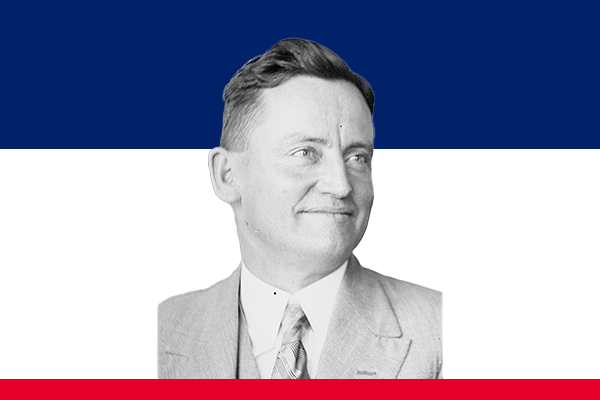
Early Life and Political Career
Frank Forde was born on July 18, 1890, in Mitchell, Queensland. He grew up in a modest family, where hard work and education shaped his values. After completing his schooling, he trained as a teacher and briefly worked in that field before turning to politics. His sense of responsibility toward public service inspired him to join the Australian Labor Party.
In 1922, he entered the Australian House of Representatives as the member for Capricornia. His dedication, persuasive skills, and deep connection with his constituents helped him rise quickly through the political ranks.
Service in Government
Forde became a strong advocate for national development and defense. During the Great Depression, he worked to improve employment opportunities and support economic recovery. His leadership gained further recognition when Prime Minister John Curtin appointed him as Deputy Prime Minister in 1941.
As Minister for the Army, he managed military resources during World War II. He supervised recruitment, supply, and training efforts, ensuring that Australian soldiers were well-equipped. His leadership in this role demonstrated his ability to handle immense responsibilities during a global crisis.
Prime Ministership: The Brief Tenure
On July 6, 1945, following John Curtin’s death, Frank Forde became Prime Minister. The Labor Party entrusted him with the position due to his loyalty and seniority. However, his time in office lasted only until July 13, 1945, making it the shortest tenure in Australian history.
The party held a leadership ballot shortly after Curtin’s passing. Although Forde hoped to continue, the caucus chose Ben Chifley as Curtin’s successor. Forde gracefully accepted the decision and stepped aside, demonstrating his respect for party unity over personal ambition.
Later Career and Contributions
After stepping down as Prime Minister, Forde continued serving Australia with dedication. He remained in Parliament until 1946 and later became Australia’s first High Commissioner to Canada, where he strengthened diplomatic ties between the two nations.
Even outside Parliament, Forde stayed active in public life. He engaged in community activities, contributed to policy discussions, and remained a respected voice in Australian politics. His humility and willingness to serve in any capacity highlighted his genuine character.
Legacy
Frank Forde may be remembered most for his brief stint as Prime Minister, but his contributions extend far beyond those eight days. His service as Deputy Prime Minister, Minister for the Army, and later as a diplomat reflected his unwavering dedication to his country. He prioritized service, loyalty, and responsibility above personal gain.
When he passed away on January 28, 1983, Australia remembered him as a leader who accepted both triumph and disappointment with grace. His story reminds us that leadership is not only measured by time in office but also by integrity and service.
Conclusion
Frank Forde’s legacy lies in his commitment to the nation during times of war and change. Although his tenure as Prime Minister was the shortest in Australian history, his broader political career demonstrated true leadership. By placing the country’s interests above his own, he left a mark that endures in Australia’s democratic story.