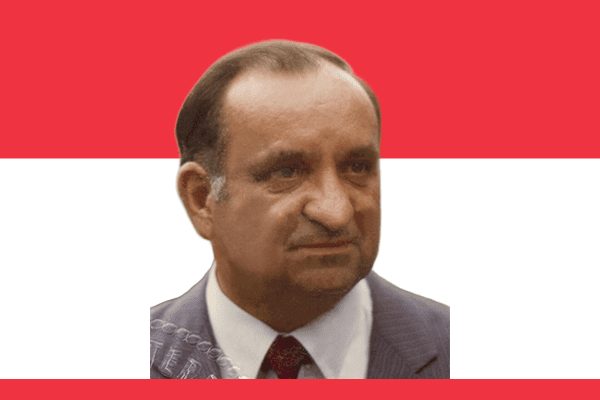
Early Life and Education
Fred Sinowatz was born on February 5, 1929, in Neufeld an der Leitha, Austria. He grew up in a modest family and experienced the difficult years surrounding World War II. These experiences shaped his understanding of social issues and inspired his interest in public service.
After completing his early education, Sinowatz studied history and German language at the University of Vienna. His academic background developed his analytical thinking and strengthened his passion for culture and education. Before entering national politics, he worked as a teacher and later became involved in regional political activities.
Entry into Politics
Fred Sinowatz joined the Social Democratic Party of Austria at a young age. He steadily built his political career through dedication and organizational skills. In the 1960s and 1970s, he gained recognition as a capable politician who understood both educational policy and administrative leadership.
He served in various government positions before becoming a prominent national figure. As Minister of Education and Arts, Sinowatz introduced reforms that improved Austria’s educational system and promoted cultural development. He believed that education could strengthen democracy and create equal opportunities for citizens.
Becoming Chancellor of Austria
In 1983, Fred Sinowatz became Chancellor of Austria after the resignation of Bruno Kreisky, one of Austria’s most famous political leaders. Taking over after such a respected figure created significant challenges, but Sinowatz approached the position with confidence and determination.
As chancellor, he led a coalition government between the Social Democratic Party and the Freedom Party of Austria. He focused on maintaining economic stability, supporting social welfare programs, and improving public administration. His government encouraged modernization while protecting Austria’s social democratic values.
Leadership Style and Achievements
Fred Sinowatz preferred a thoughtful and cooperative leadership style. Instead of using aggressive political tactics, he relied on careful planning and open discussion. Many people appreciated his calm communication and intellectual perspective.
During his leadership, Austria continued to strengthen its education system and cultural institutions. Sinowatz supported scientific research, arts programs, and policies that improved opportunities for young people. He also worked to maintain Austria’s reputation as a stable and neutral European nation during the Cold War period.
His government addressed economic challenges by encouraging responsible financial management and supporting employment programs. Although he did not possess the charismatic image of some other leaders, he earned respect through professionalism and dedication.
Political Challenges and Resignation
Despite his achievements, Fred Sinowatz faced political difficulties during his time as chancellor. Public debates and controversies surrounding Austrian politics created pressure on his government. One of the most significant issues involved the political rise of Kurt Waldheim and the international discussions about Waldheim’s wartime past.
These controversies increased political tensions within Austria. In 1986, Sinowatz resigned as chancellor after his party suffered setbacks in national elections. Although his term ended under challenging circumstances, he remained an important figure in Austrian political history.
Legacy and Historical Importance
Fred Sinowatz contributed significantly to Austria’s educational and cultural development. His leadership reflected moderation, intellectual depth, and commitment to democratic values. He strengthened public institutions and supported reforms that benefited Austrian society.
Historians often describe him as a serious and thoughtful leader who prioritized stability over personal popularity. His contributions to education policy and social democracy continue to influence Austria’s political landscape.
Conclusion
Fred Sinowatz served Austria with dedication and integrity throughout his political career. From his early work in education to his leadership as chancellor, he consistently promoted progress, cooperation, and democratic principles. Although he governed during a challenging political period, his commitment to public service left a lasting mark on Austrian history.