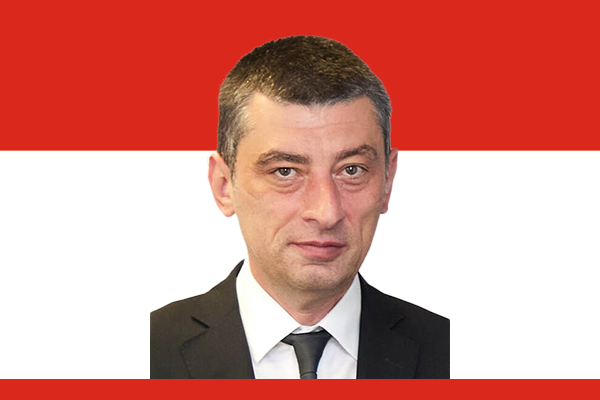
Early Life and Education
Giorgi Gakharia was born on March 19, 1975, in Tbilisi, the capital city of Georgia. He pursued higher education in economics and political science. Gakharia studied at Tbilisi State University and later continued his studies in Russia, where he gained additional expertise in economic management. His educational background helped him develop strong analytical and leadership skills, which later proved valuable in his government roles.
Early Career and Entry into Politics
Before entering politics, Gakharia worked in both the public and private sectors. He held positions related to business management and economic development. His early professional experience allowed him to understand Georgia’s economic challenges and opportunities.
Gakharia officially entered politics in 2013 when he was appointed as the Business Ombudsman of Georgia. In this role, he worked to improve relations between the government and the private sector. His performance earned him recognition as an effective and practical administrator.
Later, he served as Minister of Economy and Sustainable Development in 2016. During this period, he focused on attracting foreign investment, promoting tourism, and strengthening Georgia’s economy.
Minister of Internal Affairs
In 2017, Gakharia became the Minister of Internal Affairs. This position was one of the most important roles in the Georgian government. He was responsible for law enforcement, public safety, and national security.
As Interior Minister, he implemented reforms to modernize the police force and improve security. However, his tenure was also marked by political tensions, especially during protests in 2019. Despite criticism, he remained a key figure in the government and was seen as a strong and decisive leader.
Appointment as Prime Minister
On September 8, 2019, Giorgi Gakharia was appointed Prime Minister of Georgia. He succeeded Mamuka Bakhtadze. His appointment came during a time of political unrest and public protests.
As Prime Minister, Gakharia focused on strengthening democratic institutions, improving the economy, and maintaining stability. One of his major challenges was managing the COVID-19 pandemic. His government implemented health measures and economic support programs to protect citizens and businesses.
Georgia’s response to the pandemic was initially considered successful, and Gakharia received praise for his crisis management.
Resignation and Political Developments
Gakharia resigned as Prime Minister on February 18, 2021. His resignation followed a political dispute regarding the arrest of an opposition leader. He stated that he wanted to prevent political escalation and maintain stability in the country.
His decision was seen as responsible by some observers, while others viewed it as a sign of political disagreement within the ruling party, Georgian Dream.
After resigning, he later formed his own political party, showing his continued interest in shaping Georgia’s political future.
Legacy and Significance
Giorgi Gakharia is considered an important political figure in modern Georgian history. His leadership during crises, including protests and the pandemic, demonstrated his administrative abilities. He is known for prioritizing stability, economic growth, and national security.
Although his time as Prime Minister was relatively short, his impact on Georgia’s political system remains significant. His career reflects the challenges faced by leaders in a developing democratic country.
Conclusion
In conclusion, Giorgi Gakharia’s journey from economist to Prime Minister highlights his dedication to public service. His leadership during difficult times and his willingness to take responsibility have made him a respected and influential figure. As Georgia continues to develop, Gakharia’s role in its political history will remain important.