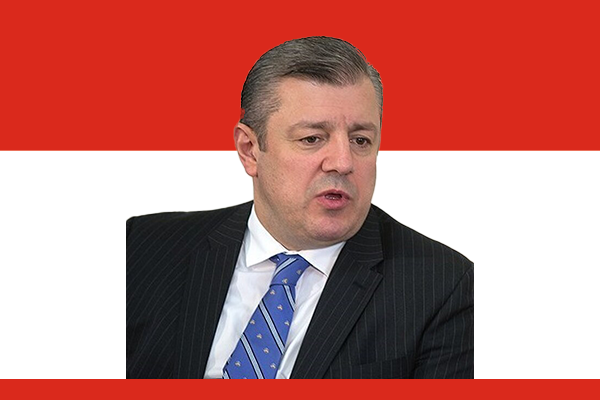
Early Life and Education
Giorgi Kvirikashvili was born on July 20, 1967, in Tbilisi, the capital city of Georgia. He grew up during the Soviet era, which greatly influenced his understanding of politics, economics, and national identity. Kvirikashvili pursued higher education at Tbilisi State University, where he studied economics. His academic background provided him with strong analytical and financial skills that later helped him in government service.
To further strengthen his expertise, he continued his education abroad and completed a master’s degree in finance at the University of Illinois in the United States. This international exposure gave him modern economic knowledge and a global perspective, which became useful in shaping Georgia’s economic policies.
Early Career in Banking and Business
Before entering politics, Giorgi Kvirikashvili built a successful career in the banking sector. He worked in various financial institutions and held leadership positions. Most notably, he served as the CEO of Bank Cartu, a major Georgian bank. His experience in banking helped him understand financial systems, investment, and economic growth.
His professional reputation as a skilled economist and manager made him a respected figure in Georgia’s business community. This success opened the door for his entry into public service.
Entry into Politics
Kvirikashvili entered politics in 2012 when the Georgian Dream coalition came to power under the leadership of Bidzina Ivanishvili. He was appointed as Minister of Economy and Sustainable Development. In this role, he focused on improving the business environment, attracting foreign investment, and promoting economic reforms.
His performance was widely appreciated, and in 2015 he was appointed Minister of Foreign Affairs. As Foreign Minister, he worked to strengthen Georgia’s relations with Western countries, especially the European Union and the United States. He strongly supported Georgia’s integration into European and international institutions.
Becoming Prime Minister
On December 30, 2015, Giorgi Kvirikashvili became the Prime Minister of Georgia, succeeding Irakli Garibashvili. His appointment was welcomed by many due to his economic expertise and moderate political approach.
As Prime Minister, his main focus was on economic development, democratic reforms, and strengthening Georgia’s international position. He aimed to create jobs, reduce poverty, and improve living standards for Georgian citizens.
Major Achievements and Reforms
During his tenure, Kvirikashvili introduced several important reforms. One of his key achievements was implementing economic liberalization policies. He reduced taxes and simplified regulations to encourage business growth and attract foreign investors.
He also promoted infrastructure development, including roads, tourism facilities, and energy projects. Tourism increased significantly during his leadership, becoming one of Georgia’s main sources of income.
Another important achievement was strengthening Georgia’s relationship with the European Union. In 2017, Georgia achieved visa-free travel to the Schengen Area, which was a historic success for the country. This allowed Georgian citizens to travel freely across many European countries.
Leadership Style and Resignation
Giorgi Kvirikashvili was known for his calm personality, professionalism, and economic expertise. He was considered a reform-oriented leader who believed in modernization and international cooperation.
However, in June 2018, he resigned from the position due to disagreements with the leadership of the ruling party, especially on economic policies. Despite his resignation, he remained respected for his contributions.
Legacy and Contribution
Giorgi Kvirikashvili’s tenure as Prime Minister played an important role in Georgia’s economic and political development. He helped strengthen democratic institutions, improve economic stability, and enhance Georgia’s international reputation.
His leadership contributed to economic growth, increased tourism, and stronger global partnerships. Today, he is remembered as a skilled economist and reform-focused leader who worked to modernize Georgia.