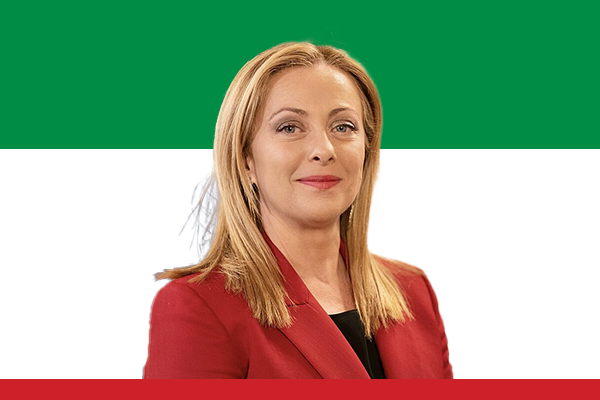
Prime Minister Giorgia Meloni: Italy’s Trailblazing Leader
Giorgia Meloni stands as a defining figure in modern Italian politics. As Italy’s first female Prime Minister, she actively reshaped the nation’s political direction with her strong leadership and nationalist vision. Born on January 15, 1977, in Rome, she grew up with a deep interest in politics and a determination to represent conservative and patriotic values. Her rise from grassroots activism to the highest political office in Italy reflects her resilience, strategic skill, and commitment to her ideals.
Early Life and Political Beginnings
Meloni began her political journey at the age of 15 when she joined the Italian Social Movement (MSI), a right-wing party rooted in post-war nationalism. She actively organized youth campaigns and quickly gained a reputation for her energy and determination. By the late 1990s, she joined the National Alliance, where she actively worked to modernize its image and attract younger voters. Her charisma and leadership earned her recognition among Italy’s emerging conservative voices.
In 2006, Meloni entered the Italian Parliament as one of its youngest deputies. She actively participated in debates about education, employment, and social policy, emphasizing the importance of national identity and family values. Her ability to connect with citizens through clear and passionate communication helped her rise rapidly through the political ranks.
Rise to National Leadership
In 2008, Meloni became Italy’s Minister for Youth under Prime Minister Silvio Berlusconi. She actively promoted youth engagement, employment initiatives, and educational reforms. Her policies focused on empowering young Italians to contribute to national growth while preserving cultural traditions.
After leaving the government, she co-founded the Brothers of Italy (Fratelli d’Italia) in 2012. As party leader, Meloni actively strengthened its organization, built a strong national presence, and expanded its voter base. She positioned the party as a defender of sovereignty, conservative values, and Italy’s national interests. Her tireless campaigning and straightforward communication style helped transform the Brothers of Italy from a small right-wing movement into a major political force.
Becoming Prime Minister
In October 2022, Giorgia Meloni became Italy’s Prime Minister after her party won the general election. She actively formed a coalition government that united conservative and right-wing groups under a shared vision of national pride, security, and economic stability. As Prime Minister, she immediately focused on energy security, tax reforms, and immigration control.
Meloni actively represented Italy in international forums, emphasizing national sovereignty and cooperation based on mutual respect. She strengthened relationships within the European Union while defending Italy’s independent stance on key issues such as economic policy and border management. Her government also worked to address inflation and promote economic growth through incentives for businesses and families.
Vision, Policies, and Leadership Style
Meloni’s leadership emphasizes patriotism, family values, and responsible governance. She actively supports policies that encourage population growth, protect traditional family structures, and strengthen Italy’s defense capabilities. In foreign policy, she promotes a balance between European collaboration and national independence.
Her speeches and decisions reflect a leader who actively prioritizes Italy’s interests while navigating complex global dynamics. Meloni’s assertive and pragmatic approach has earned her both national admiration and international attention.
Legacy and Continuing Influence
Giorgia Meloni continues to play an active role in redefining Italy’s future. She works to position Italy as a strong and respected nation within Europe and beyond. Her tenure marks a turning point in Italian politics, demonstrating that determination, conviction, and vision can drive meaningful change.
Prime Minister Giorgia Meloni’s journey from a passionate youth activist to Italy’s highest office illustrates the power of persistence and belief in one’s principles. Through her decisive actions, clear communication, and nationalist vision, she actively shapes Italy’s political and cultural identity in the 21st century.