Mr. Goh Kun
In Office: 4 March 1997 – 3 March 1998
26 February 2003 – 25 July 2004
Political Party: New Korea
Home State: Keijō-fu
Lifespan: born 1938
Country: South Korea
Image credits available here.
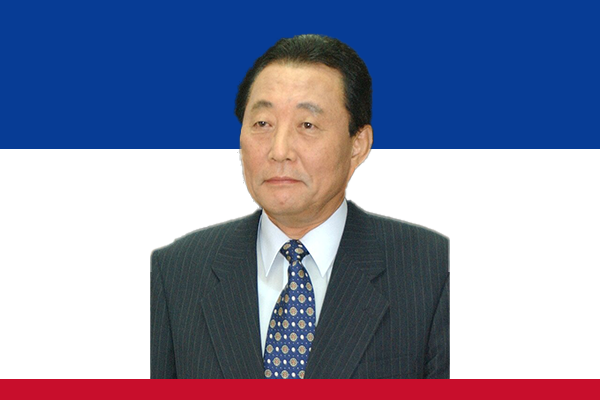
Early Life and Path to Public Service
Goh Kun built his career through discipline, dedication, and a deep commitment to public welfare. Born in 1938 in Seoul, he pursued public administration and prepared himself for government leadership from an early age. He entered civil service with a clear mission: he wanted to strengthen public institutions and create efficient administrative systems. As he advanced through various posts, he gained a reputation for fairness, calm decision-making, and practical governance.
Rise in Government and Administrative Leadership
Goh Kun took on multiple governmental roles before becoming prime minister. He served as Minister of Home Affairs, Mayor of Seoul, and several other key positions. In each role, he emphasized disciplined management and transparency. He introduced reforms that improved administrative efficiency and enhanced public service delivery. His leadership style attracted praise because he focused on solving problems rather than engaging in political conflict. As Mayor of Seoul, he modernized urban infrastructure, improved public transportation, and pushed for cleaner city initiatives.
Prime Ministerial Tenure: Stability and Crisis Management
Goh Kun became Prime Minister of South Korea during a period that demanded steady leadership. He took office twice, first in 1997 and later from 2003 to 2004. In both terms, he displayed a strong commitment to political stability and public safety. When he assumed the position, he immediately focused on administrative order and economic management. He promoted responsible governance and encouraged ministries to function efficiently.
He demonstrated exceptional leadership during national crises. After the impeachment of President Roh Moo-hyun in 2004, Goh Kun stepped in as Acting President. During that tense period, he maintained calm, reassured citizens, and protected democratic processes. He ensured that government operations continued smoothly, and he avoided political confrontation. His balanced approach helped the nation move through one of its most sensitive constitutional moments.
Reforms and Administrative Vision
Throughout his tenure, Goh Kun pushed ministries to adopt practical and transparent practices. He encouraged long-term planning and asked government agencies to prioritize public needs. He introduced disaster-management improvements and strengthened emergency response systems. His actions reflected his belief that a government must always stay prepared and must protect its citizens efficiently.
Legacy and Influence on South Korean Governance
Goh Kun left a legacy of stability, professionalism, and trustworthy governance. South Koreans remember him as a leader who placed responsibility above politics. He showed how calm leadership can guide a nation through uncertainty. His administrative reforms continue to influence government operations, and his crisis-management model remains a standard for future leaders.
Goh Kun’s career demonstrates that effective governance requires discipline, transparency, and dedication to public service. His work strengthened South Korea’s institutions and offered a model of leadership grounded in integrity and competence.