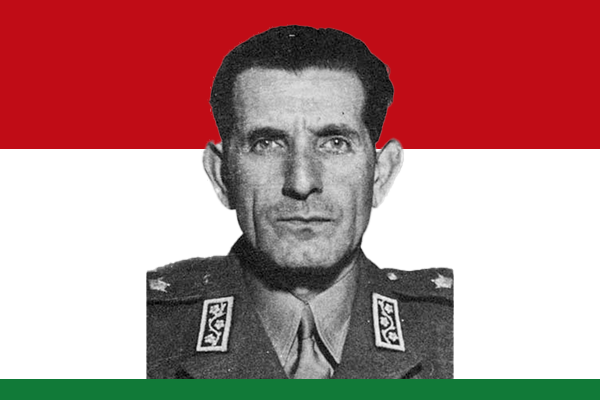
Early Life and Military Rise
Haj Ali Razmara was born in 1901 in Tehran, and he grew up in a period marked by political shifts and growing national aspirations. He pursued military education early and joined the Iranian army, where he quickly showed discipline, intelligence, and strong administrative skills. As he moved through the ranks, he developed a reputation as a capable strategist and organizer. His military expertise eventually placed him at the center of Iran’s security and modernization plans. Razmara also served as the head of the Military Academy, where he restructured training and emphasized professional standards.
Entry into Politics
Razmara entered politics when Iran faced widespread economic challenges and social tensions. The monarchy and various political factions struggled to create stability. In 1950, the Shah appointed him Prime Minister, believing that Razmara’s disciplined military background and administrative efficiency could help restore order. Razmara accepted the role with a clear vision: he planned to modernize Iran’s institutions, strengthen the economy, and reduce the influence of corrupt networks that had weakened governance for years.
Administrative and Economic Reforms
As Prime Minister, Razmara focused on improving state administration. He streamlined government departments, introduced stricter financial controls, and encouraged transparency in official conduct. He believed that Iran could only progress if its institutions worked efficiently and honestly. He also launched efforts to develop infrastructure, including roads, irrigation systems, and rural services. His policies aimed to reduce poverty and integrate remote regions into the national economy.
Razmara prioritized economic stability. He studied Iran’s budget deficits and pushed for practical financial planning. He emphasized the need to control spending and generate revenue through calculated reforms rather than populist promises. He also encouraged industrial development and supported initiatives to modernize agriculture. By promoting technical education and training, he hoped to build a stronger workforce capable of supporting national growth.
Stance on Oil Nationalization
During his tenure, Iran was deeply engaged in debates over the nationalization of the Anglo-Iranian Oil Company. Many political groups demanded full national control over the oil industry. Razmara approached the issue cautiously. He argued that Iran needed time, technical expertise, and financial preparation before taking full control. He believed that premature nationalization could destabilize the economy and weaken the government.
His cautious stance placed him at odds with influential nationalist leaders and members of the parliament. Despite intense pressure, he held firm in his belief that Iran’s long-term interests required careful planning rather than sudden political gestures.
Political Pressure and Opposition
Razmara’s strong administrative style drew admiration from many but also provoked resistance from various political factions. Some groups accused him of acting too independently, while others opposed his moderate approach to the oil question. Religious leaders, conservative forces, and radical nationalists all criticized aspects of his policies. Despite this, Razmara continued to push for reforms, believing that Iran needed stability and disciplined governance.
Assassination and Legacy
On March 7, 1951, Razmara’s career ended abruptly when an assassin took his life in a Tehran mosque. His death shocked the nation and intensified political divisions. Many viewed him as a leader who sought modernization and rational governance during a difficult era. His assassination also cleared the path for rapid oil nationalization, which soon reshaped Iran’s political landscape.
Razmara’s legacy endures as that of a determined reformer who worked to strengthen Iran’s institutions. His brief term highlighted the challenges of governing a nation caught between tradition, nationalism, and modern aspirations. Despite his short tenure, his administrative vision and commitment to efficiency left a lasting mark on Iranian political history.