Mr. Helmut Kohl
In Office: 1 October 1982 – 27 October 1998
Political Party: Christian Democratic Union
Home State: Ludwigshafen
Lifespan: 1930–2017
Country: Germany
Image credits available here.
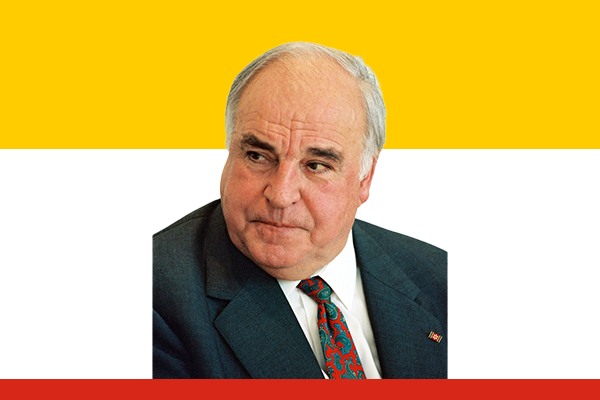
Early Life and Education
Helmut Kohl was born on April 3, 1930, in Ludwigshafen, Germany. He studied history, political science, and law at the University of Heidelberg, where he earned a doctorate in political science. His education shaped his understanding of governance and international affairs. Kohl joined the Christian Democratic Union (CDU) in 1947 and quickly rose through party ranks due to his dedication and strategic thinking.
Rise in Political Career
Kohl began his political career at the state level, serving in the Rhineland-Palatinate state government. In 1969, he became the Minister-President of Rhineland-Palatinate and implemented economic reforms, modernized education, and promoted infrastructure development. His leadership earned him national recognition and positioned him for higher office.
Becoming Chancellor
In 1982, Kohl became Chancellor of West Germany after successfully leading a constructive vote of no confidence against Chancellor Helmut Schmidt. He formed a coalition government with the Free Democratic Party (FDP) and immediately pursued policies to strengthen the economy, reduce unemployment, and modernize Germany’s infrastructure. His decisive leadership style earned him respect both at home and abroad.
Leadership During Reunification
Kohl’s most defining achievement came with the reunification of Germany in 1990. He negotiated with international leaders, including U.S. President George H.W. Bush, Soviet President Mikhail Gorbachev, and French President François Mitterrand, to ensure a smooth integration of East and West Germany. Kohl implemented policies to modernize the former East Germany, restructure its economy, and integrate its citizens politically and socially into the unified nation. His vision turned a historic challenge into an opportunity for national growth.
European Integration
Kohl strongly advocated for European unity. He promoted the Maastricht Treaty in 1992, which laid the foundation for the European Union and the euro currency. Kohl believed that a unified Europe would ensure peace, stability, and prosperity. His diplomatic efforts strengthened Germany’s role as a central player in European politics.
Domestic Reforms and Policies
During his tenure, Kohl pursued economic liberalization, tax reforms, and social welfare modernization. He promoted privatization of state-owned enterprises, encouraged foreign investment, and worked to reduce government debt. Kohl also emphasized education, scientific research, and technology development to position Germany as a global economic leader.
Legacy and Retirement
Kohl retired from politics in 1998 after losing the federal elections. Historians remember him as a unifying leader who balanced domestic policy, international diplomacy, and European integration. Despite facing controversies over party financing scandals, Kohl’s contributions to German reunification and European unity overshadowed the challenges. He continued to influence public discourse and support political causes until his death on June 16, 2017.
Conclusion
Helmut Kohl transformed Germany and Europe with his visionary leadership, strategic diplomacy, and unwavering commitment to unity. His long tenure as Chancellor witnessed the reunification of Germany, the strengthening of the European Union, and the modernization of domestic policies. Kohl remains an iconic figure whose legacy continues to shape contemporary politics.