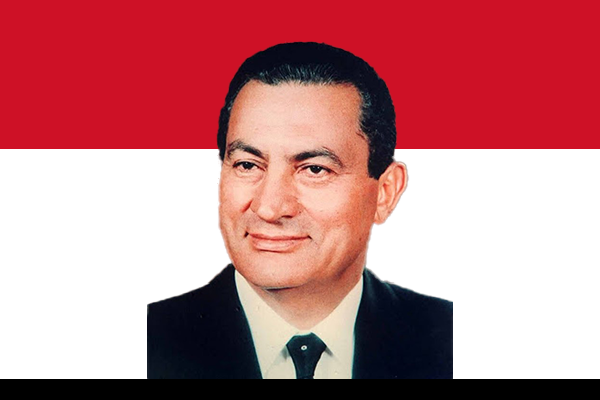
Mr. Hosni Mubarak
In Office: 6 October 1981 – 2 January 1982
Political party: National Democratic Party
Home State: Menoufia Governorate
Lifespan: 1928–2020
Country: Egypt
Early Life and Education
Hosni Mubarak was born on May 4, 1928, in Kafr El Meselha, Egypt. He grew up in a modest household and pursued education with determination. He graduated from the Egyptian Military Academy in 1949 and later from the Air Force Academy in 1950. Mubarak built a strong military career, which shaped his leadership qualities and opened doors to political power.
Military Career and Rise in the Air Force
Mubarak joined the Egyptian Air Force as a young officer and quickly advanced through the ranks. He commanded various units and focused on strengthening Egypt’s air power. During the 1967 Six-Day War, he trained pilots and worked to rebuild Egypt’s Air Force. In 1972, President Anwar Sadat appointed Mubarak as Commander of the Air Force, recognizing his discipline and organizational skills. Mubarak played a decisive role in the 1973 October War by leading air strikes that restored national pride.
Appointment as Vice President
President Anwar Sadat appointed Mubarak as Vice President in 1975. Mubarak traveled widely and represented Egypt in international forums, strengthening Egypt’s global ties. He worked closely with Sadat and built trust within the ruling establishment. His ability to balance diplomacy and security matters prepared him for higher responsibilities.
Hosni Mubarak as Prime Minister of Egypt
After Sadat’s assassination in October 1981, Mubarak stepped into leadership during a time of crisis. While he later became President, he also assumed the duties of Prime Minister, combining executive powers to stabilize the country. Mubarak focused on restoring order and preventing unrest. He reorganized government institutions, promoted internal security, and reassured Egyptians about stability.
As Prime Minister, Mubarak prioritized economic recovery. He encouraged foreign investment, supported agricultural reforms, and introduced measures to modernize infrastructure. He also emphasized education and healthcare improvements to raise living standards. His administration strengthened relations with Arab neighbors while maintaining Egypt’s peace treaty with Israel, a delicate balance in regional politics.
Leadership Style and Governance
Mubarak governed with a cautious and pragmatic style. He avoided drastic policy changes but pursued gradual reforms. He appointed loyal ministers and monitored security agencies closely to maintain control. By taking a steady approach, Mubarak restored confidence in Egypt’s leadership after the uncertainty of Sadat’s assassination.
Mubarak also promoted Egypt’s role in the Arab League and positioned the country as a regional mediator. He balanced relations with the United States and other global powers, ensuring economic aid and diplomatic support. His leadership as Prime Minister established him as a stabilizing figure in Egyptian politics.
Challenges Faced by Mubarak
Mubarak confronted numerous challenges during his premiership. Egypt faced economic difficulties, including unemployment and inflation. Political opposition grew, with calls for democratic reforms. Islamist groups also challenged his authority. Despite these pressures, Mubarak maintained firm control by strengthening state institutions and emphasizing national security.
He used a blend of diplomacy and internal reforms to address unrest. His ability to keep Egypt stable during turbulent times earned him recognition at home and abroad.
Transition to Presidency
In October 1981, Egypt’s parliament confirmed Mubarak as President, making his role as Prime Minister temporary but significant. His period as head of government helped him establish authority, consolidate power, and prepare for nearly three decades of rule as President.
Legacy as Prime Minister
Hosni Mubarak’s legacy as Prime Minister reflected his qualities of discipline, pragmatism, and caution. He restored stability after national tragedy, introduced reforms to support economic growth, and strengthened Egypt’s international standing. His leadership laid the foundation for his long presidency, during which he continued to shape Egypt’s future.