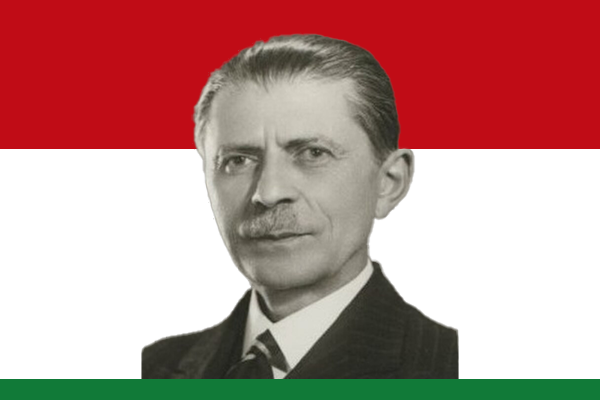
Early Life and Rise in Public Service
Hossein Ala entered Iranian public life with a strong foundation in diplomacy and administration. Born into a distinguished family, he grew up surrounded by political discourse and national service. He pursued higher education abroad, where he gained exposure to international politics and modern governance. After returning to Iran, he joined the civil service and quickly demonstrated his skills as a diplomat and negotiator. His ability to balance tradition with modern ideas earned him respect among both reformists and conservatives.
Diplomatic Career and Key Government Roles
Ala strengthened Iran’s global presence through several important diplomatic postings. He served as Iran’s ambassador to the United Kingdom, where he worked to improve bilateral relations and position Iran as a responsible international partner. He also represented Iran at the United Nations, advocating for the country’s sovereignty and modernization efforts. His diplomatic achievements enhanced Iran’s reputation, and government leaders increasingly relied on his expertise during moments of tension.
Back home, Ala accepted several cabinet and administrative positions. He became Minister of the Court and later took on responsibilities in the Interior Ministry. In each role, he emphasized efficient administration, transparency, and national unity. His calm approach to complex political challenges made him a dependable figure within the government.
First Term as Prime Minister
In 1951, the government appointed Hossein Ala as Prime Minister during a politically sensitive period. National movements surrounding the oil industry created intense domestic debate and international pressure. Ala stepped into office with a commitment to maintain stability, protect national interests, and prevent political violence. Although his first term lasted only a short time, he worked tirelessly to manage tensions and secure cooperation among competing political groups.
He supported reforms that aimed to strengthen Iran’s economy and public institutions. However, widespread disagreements over oil nationalization created challenges that limited his ability to implement long-term policies. Despite the pressures, he preserved his integrity and stepped down when he felt the situation required new leadership.
Second Term and Confronting National Crises
A few years later, in 1955, Ala returned as Prime Minister. Once again, Iran faced internal disputes and external threats. This time, he focused on strengthening national security and restoring public trust in government institutions. He introduced measures that improved administrative efficiency and encouraged responsible governance.
During this period, extremist groups targeted government officials, and Ala became one of their primary targets. He survived an assassination attempt, but the incident highlighted the intense political volatility of the era. He responded by reinforcing security strategies and urging the country to reject violence. His resilience and composure during crisis strengthened his reputation as a leader committed to national stability.
Later Years and Lasting Influence
After stepping down from the premiership, Ala continued to serve the nation in high-level advisory positions. He remained active in diplomatic affairs and offered guidance to leaders navigating Iran’s rapidly changing political landscape. Throughout his career, he championed constitutional government, national sovereignty, and administrative reform.
Historians remember Hossein Ala as a principled statesman who guided Iran through some of its most challenging moments. His dedication to diplomacy, his calm leadership style, and his commitment to national unity left a lasting imprint on the country’s political history. His life illustrates the power of integrity and diplomacy in shaping a nation’s path.