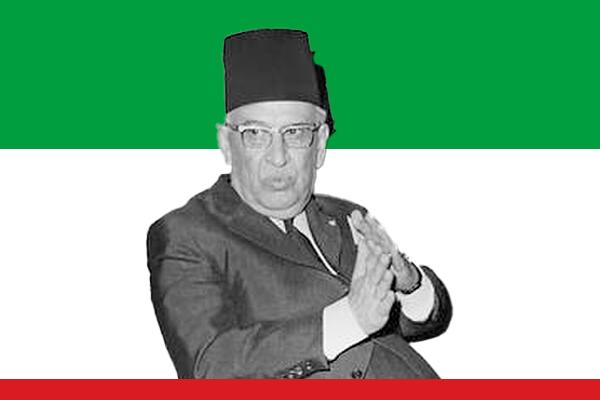
Hussein al-Oweini was an important political figure in Lebanon who served as Prime Minister during a critical period in the country’s history. Born in 1909 in the city of Sidon (Saida), Lebanon, al-Oweini came from a respected family with a background in public service and business. He received his education in Lebanon and later pursued higher studies in economics and political science, which helped shape his understanding of governance and administration. His academic background and professional experience prepared him for a future in public life.
Before entering politics, Hussein al-Oweini was involved in banking and finance. He played a significant role in Lebanon’s economic development during the mid-20th century. His experience in financial institutions earned him a reputation as a capable administrator with strong economic knowledge. This expertise later became one of his greatest strengths as a political leader, especially at a time when Lebanon was striving for economic growth and stability.
Al-Oweini served as Prime Minister of Lebanon in 1951. His appointment came during a period of political tension and transition. Lebanon’s political system, based on a delicate balance among religious communities, required leaders who could maintain unity and stability. Hussein al-Oweini was considered a moderate and practical leader who focused on administrative reforms and strengthening state institutions.
During his time in office, al-Oweini worked to promote economic reforms and improve public administration. He believed that strong financial management was essential for national development. His government emphasized fiscal responsibility, infrastructure development, and strengthening the banking sector. Although his term as Prime Minister was relatively short, he focused on maintaining political order and ensuring that government institutions functioned effectively.
One of the challenges al-Oweini faced was navigating Lebanon’s complex political environment. The country’s confessional political system required cooperation among various religious and political groups. As Prime Minister, he aimed to maintain dialogue and compromise among competing factions. His calm and diplomatic approach helped reduce tensions during a sensitive period.
Hussein al-Oweini was also known for his commitment to Lebanon’s independence and sovereignty. During the early years after independence from French mandate rule, Lebanon was shaping its national identity and political structure. Leaders like al-Oweini contributed to building state institutions and promoting a sense of unity among citizens. His leadership style was characterized by caution, pragmatism, and respect for constitutional processes.
Although his time as Prime Minister did not include dramatic reforms or major political changes, his role was important in maintaining stability. In Lebanese politics, stability has often been a significant achievement in itself, given the country’s diverse society and regional pressures. Al-Oweini’s focus on administrative efficiency and financial discipline reflected his professional background and practical mindset.
After his tenure as Prime Minister, Hussein al-Oweini continued to be involved in public and economic affairs. He remained respected as a senior statesman and advisor. His experience in both finance and politics made him a valuable figure in Lebanese public life.
Hussein al-Oweini passed away in 1998, leaving behind a legacy of responsible leadership and dedication to national service. While he may not be as widely known internationally as some other Lebanese leaders, his contribution to the country’s governance during an important transitional period remains significant.
In summary, Prime Minister Hussein al-Oweini was a disciplined and knowledgeable leader who played a stabilizing role in Lebanese politics. His background in finance influenced his approach to governance, emphasizing economic strength and institutional order. Through moderation and careful administration, he contributed to Lebanon’s political development in the years following independence.