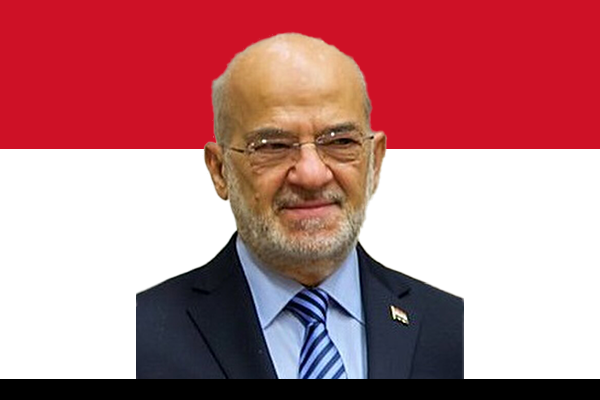
Early Life and Education
Ibrahim al-Jaʿfari was born in 1947 in Karbala, a city of major religious importance in Iraq. He pursued higher education in medicine and trained as a physician, a background that influenced his analytical and cautious political style. Alongside his professional career, he developed a strong interest in political activism, especially in opposition to the Ba’athist regime. Due to political repression, al-Jaʿfari spent many years in exile, which shaped his worldview and strengthened his commitment to political reform and pluralism.
Political Career and Exile
During his years abroad, al-Jaʿfari became an active member of the Islamic Dawa Party, one of Iraq’s oldest Shiite political movements. The party strongly opposed Saddam Hussein’s government and faced severe persecution inside Iraq. Al-Jaʿfari emerged as a leading figure within the party, gaining experience in political organization and diplomacy. His time in exile allowed him to build international contacts and understand the complexities of regional and global politics affecting Iraq.
Rise to the Office of Prime Minister
After the 2003 invasion of Iraq, al-Jaʿfari returned to the country and quickly became involved in the new political process. He served as Vice President in the Iraqi Interim Government before becoming Prime Minister in 2005. His appointment symbolized a major shift in Iraqi politics, as power moved toward elected representatives after years of dictatorship. Al-Jaʿfari took office at a time when Iraq faced widespread violence, fragile institutions, and intense political divisions.
Policies and Governance
As Prime Minister, al-Jaʿfari focused on strengthening national sovereignty, promoting political inclusion, and establishing democratic norms. He emphasized the importance of Iraqi unity and repeatedly called for dialogue among different ethnic and sectarian groups. His government worked on drafting and implementing a new constitution, which aimed to define the balance of power and protect citizens’ rights. However, persistent security challenges and political rivalries often limited the effectiveness of his policies.
Challenges and Criticism
Al-Jaʿfari’s tenure was marked by serious challenges, including insurgency, sectarian violence, and pressure from both domestic factions and international actors. Critics argued that his leadership style was indecisive and that his government struggled to control the deteriorating security situation. Supporters, on the other hand, viewed him as a principled leader who tried to navigate an extremely complex political environment with restraint and dialogue rather than force.
Later Political Role and Legacy
After leaving the office of Prime Minister in 2006, al-Jaʿfari continued to play an important role in Iraqi politics. He later served as Minister of Foreign Affairs, representing Iraq on the international stage and advocating for diplomatic engagement. His legacy remains closely tied to Iraq’s transitional period, when the foundations of a new political system were being laid amid uncertainty and conflict.
Conclusion
Ibrahim al-Jaʿfari’s time as Prime Minister reflects the difficulties of leading a nation emerging from war and authoritarianism. His career highlights the complexities of post-2003 Iraqi politics, where leadership required balancing reform, security, and national reconciliation. Despite criticism and limitations, al-Jaʿfari remains a significant figure in Iraq’s modern political history.