Mr. Igor Chudinov
In Office: 24 December 2007 – 21 October 2009
Political Party: Social Democratic Party
Home State: Bishkek
Lifespan: born 1961
Country: Kyrgyzstan
Image credits available here.
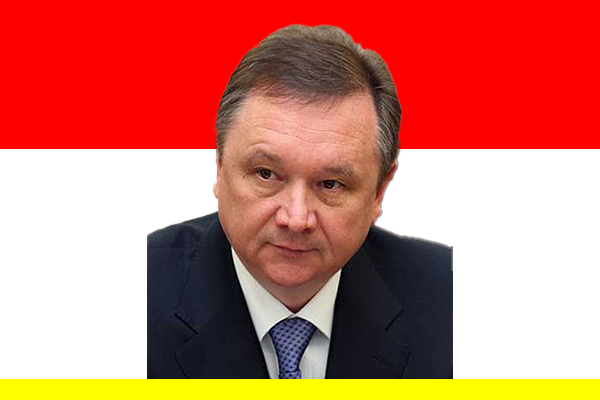
Early Life and Background
Igor Chudinov was born on August 21, 1961. He pursued higher education in engineering and economics-related fields, which later shaped his approach to governance and administration. Before entering high-level politics, Chudinov built a professional career in technical and managerial roles. His background in industry and infrastructure development gave him practical experience in project management, budgeting, and organizational leadership.
His early career involved work in construction and energy-related sectors, where he gained recognition for his administrative capabilities. This professional foundation helped establish his reputation as a disciplined and results-oriented administrator, paving the way for his entry into government service.
Entry into Politics
Chudinov gradually transitioned from technical and managerial positions into public administration. He served in several senior government roles, including positions connected with industry, energy, and economic management. His steady rise through the administrative ranks reflected confidence from political leadership in his ability to manage complex state institutions.
By the mid-2000s, Kyrgyzstan was undergoing significant political transformation following leadership changes and public unrest. During this period, experienced administrators were sought to ensure continuity in governance. Chudinov emerged as a trusted figure capable of maintaining institutional stability.
Tenure as Prime Minister
Igor Chudinov was appointed Prime Minister of Kyrgyzstan in December 2007. His tenure came at a time when the country faced economic uncertainty, political polarization, and growing public expectations for reform. As Prime Minister, Chudinov focused on strengthening state administration and improving coordination among ministries.
One of his primary goals was economic stabilization. Kyrgyzstan’s economy depended heavily on agriculture, remittances, and energy resources, all of which required careful management. Chudinov emphasized fiscal discipline, efficient use of public funds, and modernization of infrastructure. He supported policies aimed at improving energy security, a crucial issue for Kyrgyzstan due to seasonal shortages and regional dependence.
Governance and Policy Approach
Chudinov’s leadership style was often described as technocratic. Rather than pursuing dramatic political reforms, he prioritized administrative efficiency and incremental improvements. He worked to enhance the performance of government institutions, reduce bureaucratic delays, and improve coordination between central and regional authorities.
His government also addressed social issues such as employment, public services, and cost-of-living concerns. While progress was uneven, efforts were made to stabilize prices and maintain social support systems. Chudinov understood that economic challenges had direct political consequences and sought to reduce public dissatisfaction through pragmatic measures.
Challenges and Criticism
Despite his administrative experience, Chudinov’s tenure was not free from criticism. Political opposition and civil society groups questioned the effectiveness of government reforms and raised concerns about corruption and transparency. Like many leaders in transitional political systems, he had to navigate competing interests and institutional weaknesses.
In 2009, amid changing political dynamics and cabinet restructuring, Chudinov stepped down from his position as Prime Minister. His departure marked the end of a phase characterized by cautious governance rather than sweeping reform.
Legacy and Significance
Igor Chudinov’s legacy lies in his role as a stabilizing figure during a complex period in Kyrgyzstan’s political development. While he may not be remembered for landmark reforms, his tenure contributed to maintaining continuity in governance during uncertain times. He represented a generation of post-Soviet administrators who focused on state management and economic pragmatism.