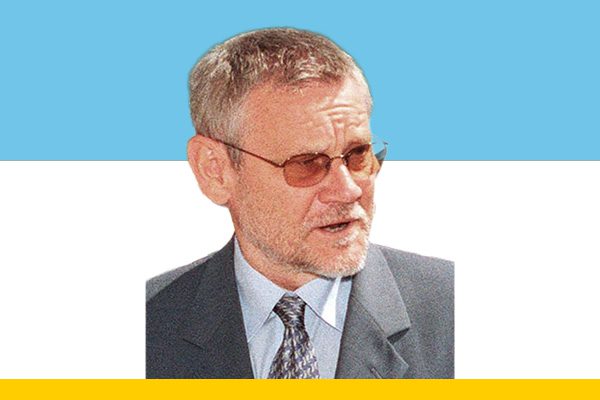
Early Life and Education
Ivica Račan was born on February 24, 1944, in Ebersbach, Germany, during World War II. His family later moved to Croatia, where he spent most of his childhood. He studied law at the University of Zagreb and became interested in politics at a young age. During his student years, he actively participated in social and political discussions. His education helped him develop strong leadership and communication skills.
Beginning of Political Career
Račan started his political career in the League of Communists of Yugoslavia. He worked hard and quickly gained recognition because of his intelligence and balanced approach. In the late 1980s, he became one of the leading political figures in Croatia. At that time, many Eastern European countries experienced political change, and Croatia also began moving toward democracy.
Instead of supporting strict communist control, Račan encouraged democratic reforms. He believed that political leaders should respect freedom, human rights, and fair elections. His moderate attitude made him different from many other politicians of that period.
Leadership in Croatia
In 1990, Croatia held its first multi-party elections. Račan’s party lost the election, but he accepted the result peacefully. This action showed his commitment to democracy. Later, he transformed the former communist party into the Social Democratic Party of Croatia (SDP). Under his leadership, the party became one of the strongest political organizations in the country.
Račan became Prime Minister of Croatia in 2000 after leading a successful coalition government. During his term, he focused on improving the economy, reducing corruption, and strengthening democratic institutions. He also worked to improve Croatia’s relationship with neighboring countries and international organizations.
Contributions and Achievements
One of Račan’s major achievements was guiding Croatia toward European integration. He supported cooperation with the European Union and encouraged reforms that matched European standards. His government improved freedom of the press and promoted transparency in public administration.
Račan also worked to heal the divisions caused by the Croatian War of Independence. He believed that peace and cooperation would create a stronger future for the country. Many citizens appreciated his calm personality and respectful style of leadership.
Unlike aggressive political leaders, Račan preferred discussion and compromise. He listened carefully to different opinions before making decisions. This leadership style earned him respect both inside Croatia and internationally.
Personal Life and Death
Ivica Račan was known as a simple and honest person. He avoided dramatic speeches and focused on practical solutions. Even his political opponents often praised his polite behavior and dedication to democracy.
In 2007, Račan became seriously ill with cancer. He resigned as leader of the Social Democratic Party because his health weakened. On April 29, 2007, he passed away in Zagreb, Croatia. Many Croatian citizens mourned his death and remembered him as a leader who helped strengthen democracy in the country.
Conclusion
Ivica Račan remains an important figure in Croatian history. He promoted democracy, peaceful politics, and cooperation during a time of major political change. Through his leadership, Croatia moved closer to European institutions and democratic values. His calm and thoughtful approach continues to inspire many people in Croatian politics today.