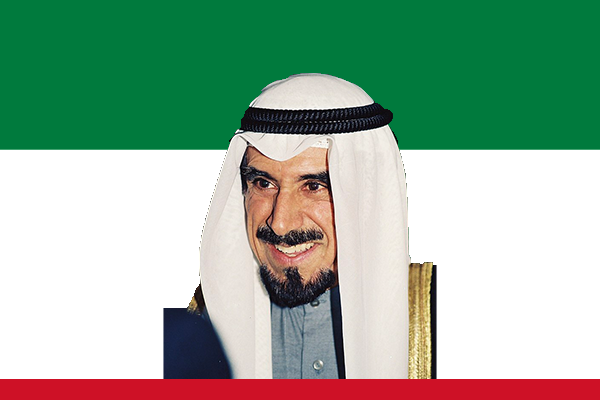
Early Life and Background
Jaber Al-Ahmad Al-Sabah was born on June 29, 1926, into the powerful Al-Sabah ruling family of Kuwait. This family has governed Kuwait since the 18th century. From a young age, Jaber received education focused on administration, leadership, and Islamic values. His upbringing prepared him for future responsibilities in government.
He began his political career at an early age. In 1949, he was appointed as the head of the Public Security Department. This role gave him experience in maintaining law and order and managing internal security. His performance was highly appreciated, and he quickly rose through the ranks.
Political Career and Rise to Power
In 1962, Jaber Al-Ahmad Al-Sabah was appointed as Minister of Finance. This position was extremely important because Kuwait’s economy depended heavily on oil revenues. He managed the country’s financial resources wisely and helped establish Kuwait as one of the wealthiest nations in the region.
In 1965, he became Prime Minister of Kuwait. As Prime Minister, he worked to strengthen government institutions, improve public services, and develop the country’s infrastructure. His leadership contributed to modernization and economic growth.
Later, in 1978, he became the Emir of Kuwait after the death of Emir Sabah Al-Salem Al-Sabah. As Emir, he became both the head of state and the supreme authority of the country.
Leadership During the Gulf War
One of the most challenging periods of his leadership came during the Gulf War in 1990, when Iraq invaded Kuwait. This was a difficult time for the country. Jaber Al-Ahmad Al-Sabah showed courage and determination. Even though he had to leave Kuwait temporarily, he continued to lead the government from abroad.
He worked closely with international allies and helped organize efforts to liberate Kuwait. In 1991, Kuwait was successfully freed. After returning, he focused on rebuilding the country’s economy, infrastructure, and government institutions.
Achievements and Contributions
Jaber Al-Ahmad Al-Sabah made many important contributions to Kuwait. He supported education, healthcare, and social welfare programs. Under his leadership, Kuwait developed modern hospitals, schools, and roads.
He also helped establish the Kuwait Investment Authority, which manages the country’s oil wealth for future generations. This ensured long-term financial security for Kuwait.
In addition, he promoted democracy by supporting the National Assembly, Kuwait’s parliament. His policies helped maintain political balance and stability.
Personality and Legacy
Jaber Al-Ahmad Al-Sabah was known for his calm personality, wisdom, and dedication to his people. He cared deeply about Kuwait’s development and worked hard to improve the lives of citizens.
He served as Emir until his death on January 15, 2006. His death was a great loss for Kuwait, and he is remembered as a respected and visionary leader.
Conclusion
Jaber Al-Ahmad Al-Sabah played a vital role in Kuwait’s political and economic development. From his early government service to becoming Emir, he showed strong leadership and commitment. His efforts during the Gulf War and his contributions to national development made him one of Kuwait’s greatest leaders. His legacy continues to inspire future generations and remains an important part of Kuwait’s history.