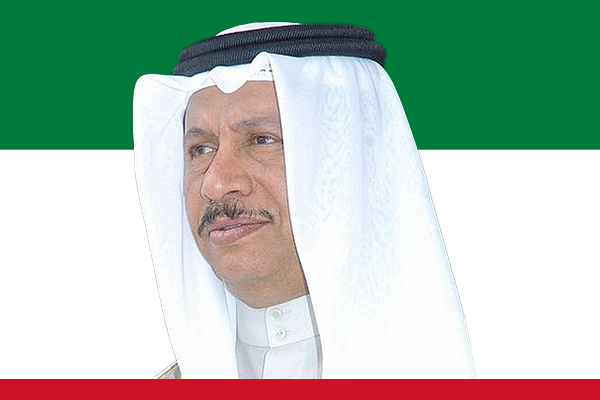
Early Life and Background
Jaber Al-Mubarak Al-Hamad Al-Sabah was born on January 5, 1942, into the respected Al-Sabah ruling family. This family has governed Kuwait for more than two centuries and has been central to the country’s political leadership. Growing up in a political environment, he developed an early understanding of governance, diplomacy, and leadership.
He received his education in Kuwait, where he built a strong foundation in administrative and governmental affairs. His upbringing prepared him for a future in public service, where he would hold several important positions before becoming Prime Minister.
Early Political Career
Jaber Al-Mubarak began his career in government in the 1960s. One of his early roles was in the Amiri Diwan, which is the administrative office of the Emir. He later served as Governor of Hawalli Governorate from 1968 to 1979. During this time, he gained valuable experience in regional administration and public management.
His leadership abilities led to further appointments, including Minister of Social Affairs and Labour in 1979. In this role, he focused on improving social services and labor conditions. Over the years, he held several key ministerial positions, including Minister of Information and Minister of Defense.
As Minister of Defense from 2001 to 2011, he played an important role in strengthening Kuwait’s military capabilities and maintaining national security during a period of regional tensions.
Appointment as Prime Minister
In December 2011, Jaber Al-Mubarak Al-Sabah was appointed Prime Minister by the Emir, Sabah Al-Ahmad Al-Jaber Al-Sabah. His appointment came during a time of political challenges, including parliamentary tensions and public demands for reform.
As Prime Minister, his main responsibility was to ensure political stability and manage government affairs effectively. He worked to maintain cooperation between the executive and legislative branches of government.
Leadership and Achievements
During his tenure as Prime Minister from 2011 to 2019, Jaber Al-Mubarak focused on economic development, administrative reform, and strengthening Kuwait’s international relations.
One of his major priorities was economic reform. Kuwait’s economy depends heavily on oil revenues, and he supported efforts to diversify the economy and reduce dependence on oil. His government promoted investment, infrastructure development, and modernization projects.
He also emphasized transparency and anti-corruption measures. His government took steps to improve accountability and strengthen public institutions.
In foreign policy, he worked to maintain Kuwait’s strong diplomatic relationships with neighboring countries and global partners. Kuwait played an important role as a mediator in regional conflicts, and his leadership supported peaceful diplomacy.
Challenges and Resignation
Despite his achievements, his tenure was marked by political tensions and cabinet reshuffles. Kuwait’s parliamentary system allows elected lawmakers to question ministers, and disagreements sometimes led to government changes.
In November 2019, Jaber Al-Mubarak resigned as Prime Minister following political pressure and calls for government reform. His resignation marked the end of eight years of leadership.
Legacy and Contribution
Jaber Al-Mubarak Al-Sabah is remembered as a dedicated public servant who spent decades serving Kuwait in various leadership roles. His long political career demonstrated loyalty, experience, and commitment to national development.
His contributions to defense, administration, and economic reform helped strengthen Kuwait’s institutions. He played a key role in guiding the country through political and economic challenges.
Even after leaving office, he remains an important figure in Kuwait’s modern political history. His leadership reflects the continued influence of the Al-Sabah family in shaping the nation’s future.
Conclusion
In conclusion, Jaber Al-Mubarak Al-Hamad Al-Sabah’s career represents decades of service to Kuwait. From his early administrative roles to his position as Prime Minister, he contributed significantly to the country’s governance, stability, and development. His legacy continues to be recognized as part of Kuwait’s ongoing political and national progress.