Early Life and Military Background
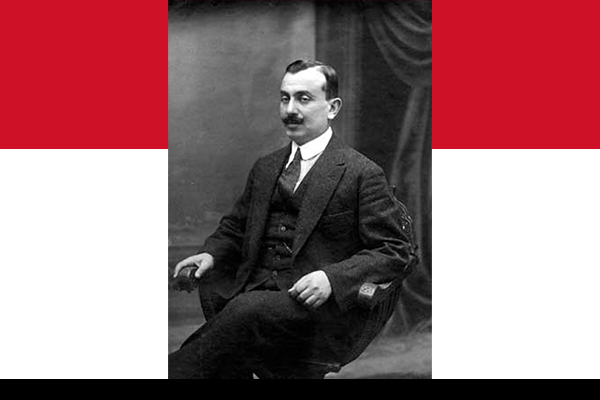
Jamil al-Ulshi was born during the late Ottoman period, when Syria was undergoing profound political and social changes. Like many leaders of his generation, he pursued a military career, seeing the armed forces as a path to influence and national service. He received military training that emphasized discipline, loyalty, and order—qualities that later influenced his political actions.
After the end of Ottoman rule and the establishment of the French Mandate over Syria, the military became a key institution in Syrian society. Al-Ulshi rose through the ranks during this era, gaining experience and forming connections with other officers who would later play decisive roles in Syrian politics. By the time Syria achieved independence in 1946, he had already established himself as a respected military figure.
Political Context of 1949
The year 1949 was one of the most dramatic in Syrian political history. The country experienced a series of coups that reflected dissatisfaction with civilian leadership, economic difficulties, and the impact of Syria’s defeat in the 1948 Arab-Israeli War. Military officers increasingly believed that only strong intervention could restore stability and national pride.
In March 1949, Colonel Husni al-Za’im led Syria’s first military coup, overthrowing the civilian government. This event opened the door for other officers, including Jamil al-Ulshi, to enter formal political roles. The military’s dominance during this period set a precedent that would influence Syria for decades.
Appointment as Prime Minister
Jamil al-Ulshi became Prime Minister in June 1949 under the presidency of Husni al-Za’im. His appointment reflected the close relationship between political authority and the military at the time. Al-Ulshi was seen as a loyal and dependable figure who could help implement the new regime’s policies.
As Prime Minister, he faced immense challenges. The government struggled with internal opposition, economic instability, and widespread public dissatisfaction. Many Syrians viewed the new leadership as authoritarian and overly dependent on military power rather than democratic legitimacy.
Policies and Governance
Al-Ulshi’s government focused on maintaining order and supporting the president’s agenda. However, his ability to introduce meaningful reforms was limited by the short duration of his tenure and the volatile political environment. Decision-making often rested with military leaders rather than civilian institutions, reducing the Prime Minister’s independent influence.
His administration failed to build broad public support, and opposition within the military itself continued to grow. These internal divisions weakened the government and made it vulnerable to further coups.
Downfall and Later Life
In August 1949, Husni al-Za’im was overthrown and executed in another military coup. With the fall of the president, Jamil al-Ulshi’s role as Prime Minister came to an abrupt end. He was arrested and later executed, marking a tragic conclusion to his political career.
His death symbolized the dangers faced by political figures during Syria’s era of frequent coups, where shifts in power often resulted in severe consequences.
Historical Significance
Jamil al-Ulshi’s legacy lies less in policy achievements and more in what his career reveals about Syrian politics. His brief time as Prime Minister highlights the instability of post-independence Syria and the growing dominance of the military in governance. He represents a generation of leaders caught between the ideals of national independence and the realities of power struggles.
Conclusion
Prime Minister Jamil al-Ulshi remains a minor yet meaningful figure in Syrian history. His life and career reflect the uncertainty, ambition, and fragility of Syria’s early years as an independent state. Studying his role helps illuminate the broader patterns of military intervention and political instability that shaped Syria’s modern political trajectory.