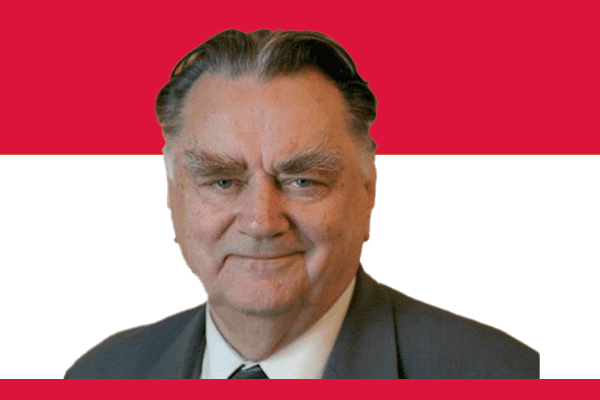
Early Life and Education
Jan Olszewski was born on 20 August 1930 in Warsaw, Poland. He grew up during a difficult period marked by war and political instability. As a young man, he witnessed the destruction caused by World War II and the hardships faced by the Polish people. These experiences shaped his strong patriotic feelings and his desire to serve the nation.
He studied law at the University of Warsaw and became a skilled lawyer. During his legal career, he gained recognition for defending political dissidents and opposition activists under the communist regime. He bravely stood up for people whose voices were often silenced by the authorities. This work made him a respected figure in the movement for freedom and human rights in Poland.
Political Career
Jan Olszewski played an active role in Poland’s opposition to communist rule. He supported democratic reforms and became associated with the Solidarity movement, which fought for workers’ rights and political freedom. His legal knowledge and commitment to justice helped strengthen the opposition during a crucial period in Polish history.
In December 1991, Jan Olszewski became Prime Minister of Poland after the country held its first fully free parliamentary elections after the fall of communism. He led a coalition government at a time when Poland was still adjusting to democracy and economic reform. His administration focused on protecting national independence, strengthening democratic institutions, and reducing the influence of former communist officials in public life.
Tenure as Prime Minister
As Prime Minister, Jan Olszewski worked to build a stronger and more independent Poland. He believed that the country should move firmly away from its communist past and create transparent institutions based on public trust. His government supported economic reforms, but it also emphasized national interests and social responsibility.
One of the most controversial issues during his premiership was the attempt to expose former communist collaborators in government and public institutions. This effort created intense political conflict. His government faced opposition from several political groups, and in June 1992, it lost parliamentary support. As a result, his term as Prime Minister ended after only about six months.
Even though his government was short-lived, Jan Olszewski left a lasting mark. Many people admired his honesty, courage, and determination to defend Poland’s sovereignty and moral principles.
Legacy and Death
After leaving office, Jan Olszewski remained active in public life and continued to influence political discussions in Poland. He was widely seen as a symbol of integrity and resistance against authoritarianism. Over the years, many people praised his role in defending democracy during both the communist era and the early years of the new republic.
Jan Olszewski died on 7 February 2019 in Warsaw at the age of 88. His death was deeply mourned in Poland. He was remembered not only as a former Prime Minister but also as a defender of justice, freedom, and national dignity.
Conclusion
Jan Olszewski was a principled leader who played a key role in Poland’s democratic transformation. As Prime Minister, lawyer, and activist, he dedicated his life to protecting freedom and justice. His short time in office did not reduce the importance of his contribution. Instead, his courage and honesty made him a respected figure in Polish history. Jan Olszewski’s legacy continues to inspire those who value democracy, independence, and public service.