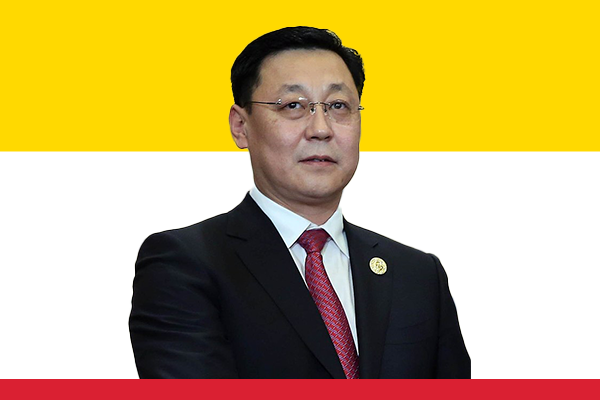
Early Life and Education
Jargaltulgyn Erdenebat was born on June 17, 1974, in Selenge Province, Mongolia. He grew up in a rural environment, which helped him understand the challenges faced by ordinary Mongolian citizens, especially those living in provincial areas. His early experiences shaped his practical approach to governance and economic management.
Erdenebat pursued higher education at the University of Commerce and Industry in Mongolia, where he studied economics and finance. His academic background provided him with strong knowledge of financial systems, budgeting, and economic planning, which later became essential in his political career.
Early Political Career
Erdenebat began his professional life in local government. He served in various administrative roles in Selenge Province, including working in financial departments and local government offices. His efficiency and leadership skills earned him recognition within political circles.
He became a member of the Mongolian People’s Party (MPP), one of Mongolia’s major political parties. The party has historically played a significant role in Mongolia’s governance. Through his dedication and performance, Erdenebat gradually rose within the party ranks.
From 2012 to 2016, he served as the Governor of Selenge Province. During his time as governor, he focused on improving local infrastructure, strengthening the regional economy, and supporting agricultural development.
Appointment as Prime Minister
In July 2016, following the landslide victory of the Mongolian People’s Party in parliamentary elections, Erdenebat was appointed as the Prime Minister of Mongolia. His appointment came at a time when Mongolia was facing serious economic challenges, including rising debt and slow economic growth.
As Prime Minister, Erdenebat also served under President Khaltmaagiin Battulga, although Battulga was elected president shortly after Erdenebat became Prime Minister.
Leadership and Economic Policies
One of the biggest challenges Erdenebat faced was stabilizing Mongolia’s struggling economy. The country had been heavily affected by falling commodity prices, especially coal and copper, which are key exports.
Erdenebat’s government worked closely with international organizations, including the International Monetary Fund (IMF), to secure financial assistance. His administration introduced austerity measures, reduced government spending, and implemented economic reforms to restore stability.
Although these policies were necessary, they were not always popular with the public because they involved spending cuts and financial discipline.
Political Challenges and Removal from Office
Despite his efforts to improve the economy, Erdenebat faced political opposition and internal conflicts within his own party. In September 2017, the Mongolian parliament voted to remove him from office through a vote of no confidence.
He was succeeded by Ukhnaagiin Khurelsukh, another member of the Mongolian People’s Party.
His removal reflected political tensions and disagreements over leadership and governance rather than a single specific failure.
Later Career and Legacy
After leaving the position of Prime Minister, Erdenebat remained active in Mongolian politics. He continued to serve as a member of parliament and remained an influential political figure.
His time as Prime Minister is remembered mainly for his efforts to stabilize Mongolia’s economy during a difficult financial period. While his policies were sometimes unpopular, they were aimed at ensuring long-term economic recovery.
Conclusion
Jargaltulgyn Erdenebat is an important figure in Mongolia’s modern political history. Rising from local government to become Prime Minister, he demonstrated strong administrative and economic skills. His leadership came during a challenging economic time, and his decisions helped Mongolia move toward financial stability.