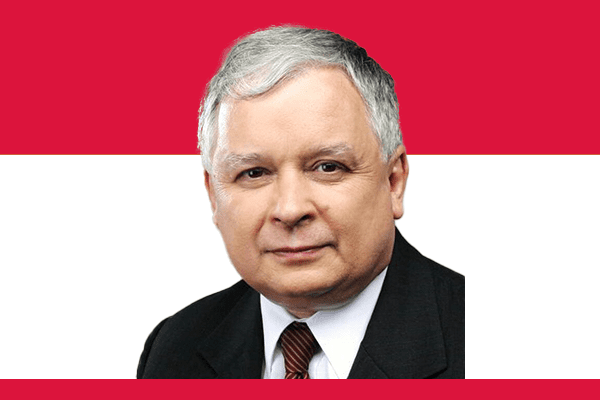
arly Life and Political Rise
Jarosław Kaczyński was born on June 18, 1949, in Warsaw, Poland. He entered public life at a young age and later became involved in anti-communist activities during the period of political transformation in Poland. Along with his twin brother, Lech Kaczyński, he played an active role in the Solidarity movement, which challenged communist rule and supported democratic reforms.
During the 1990s, Kaczyński built his reputation as a determined and disciplined political organizer. He co-founded several political groups before establishing the Law and Justice Party (PiS) in 2001. Under his leadership, the party promoted conservative values, stronger national identity, social welfare support, and a tough stance on corruption. His political vision attracted many voters who wanted stability, traditional values, and stronger state institutions.
Tenure as Prime Minister
Jarosław Kaczyński served as Prime Minister of Poland from July 2006 to November 2007. During his time in office, he focused on strengthening law enforcement, reforming public institutions, and fighting corruption. His government emphasized national sovereignty, family values, and social justice. He supported policies that aimed to reduce the influence of former communist elites and increase public trust in the state.
Kaczyński also pursued a more assertive foreign policy. He advocated for Poland’s independence in European affairs and expressed caution toward external pressures from larger powers. His administration often highlighted the importance of protecting Polish traditions and national interests. While his government gained praise from supporters for its firmness and patriotic direction, critics argued that it increased political polarization and created tension within democratic institutions.
Political Influence Beyond Office
Even after leaving the premiership, Jarosław Kaczyński remained one of the most powerful leaders in Poland. As head of the Law and Justice Party, he continued to shape national politics and guide government decisions. Many observers viewed him as the central strategist behind major policy initiatives and election victories. His party returned to power in 2015, and his influence grew even stronger.
Kaczyński played a major role in promoting judicial reforms, social welfare programs, and nationalist policies. Supporters praised him for defending Polish culture, expanding family benefits, and resisting outside interference. Critics, however, accused him of weakening judicial independence and challenging liberal democratic norms. Despite controversy, he maintained a loyal support base and continued to dominate conservative politics in Poland.
Legacy and Significance
Jarosław Kaczyński’s legacy remains complex and highly significant. He transformed the Law and Justice Party into one of Poland’s strongest political movements and reshaped the country’s political debate. His leadership inspired strong loyalty among supporters and strong opposition among critics. As prime minister and party leader, he helped define a new era of conservative governance in Poland.
In conclusion, Jarosław Kaczyński stands as a central figure in Poland’s recent political history. His time as prime minister may have been brief, but his long-term influence has been substantial. Through active leadership, ideological clarity, and strategic control, he has left a lasting mark on Poland’s democracy and national identity.