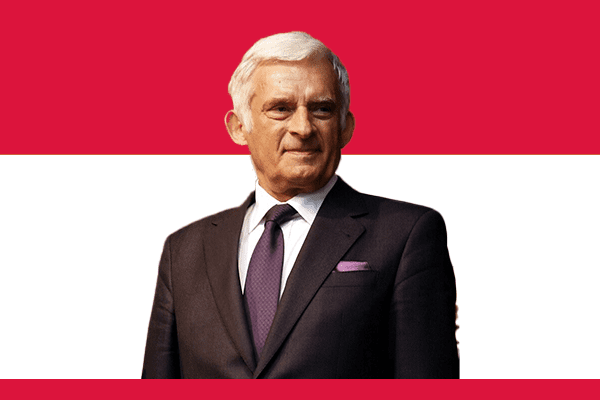
Early Life and Education
Jerzy Buzek was born on 3 July 1940 in Smilovice, which was then part of occupied Czechoslovakia. His family later settled in Poland, where he spent most of his life. He studied at the Silesian University of Technology and became a skilled engineer and academic. He specialized in chemical engineering and worked as a professor. Before entering politics, he built a strong reputation in science and education. During the communist period, he also supported democratic opposition movements. He became associated with the Solidarity movement, which fought for workers’ rights and political freedom in Poland. This involvement helped shape his future political career.
Political Career and Prime Ministership
Jerzy Buzek entered national politics during a time of great change in Poland. In 1997, he became Prime Minister after the victory of the Solidarity Electoral Action coalition. As head of government, he focused on modernizing the country and strengthening democracy. His administration launched four major reforms: administrative reform, education reform, healthcare reform, and pension reform. These policies aimed to prepare Poland for long-term growth and European integration.
His government also worked to improve Poland’s position in Europe and the wider world. One of the most important achievements of his term was Poland’s accession to NATO in 1999. This event strengthened Poland’s security and marked a major step in its post-Cold War transformation. Buzek also supported efforts that later helped Poland join the European Union.
Leadership and Legacy
Jerzy Buzek’s leadership style was calm, intellectual, and reform-oriented. He believed in institution-building and long-term planning rather than short-term popularity. Although some of his reforms were controversial and faced criticism, they showed his willingness to make difficult decisions for the future of the country. Many people remember him as a leader who focused on modernization and national progress.
After serving as Prime Minister, Buzek remained active in public life. He later became a member of the European Parliament and served as its President from 2009 to 2012. This made him one of the most prominent Polish politicians on the European stage. His international work promoted cooperation, democracy, and European unity.
Conclusion
Jerzy Buzek remains a significant figure in Polish and European politics. As Prime Minister, he led Poland through a period of important reforms and helped strengthen its place in Europe. His role in NATO membership, domestic modernization, and European cooperation makes him an influential statesman. His career continues to inspire those who value democratic leadership, reform, and service to society.