Mr. Jigme Thinley
In Office: 20 July 1998 – 9 July 1999
30 August 2003 – 18 August 2004
9 April 2008 – 28 April 2013
Political Party: Independent, DPT
Home State: Gakiling, Trongsa
Lifespan: Born 1952
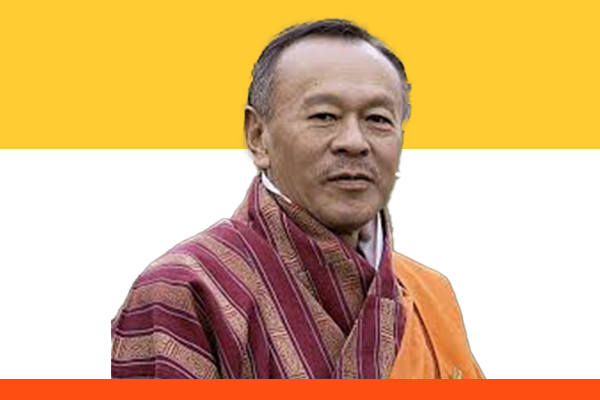
Early Life and Education
Jigme Yoser Thinley was born on September 9, 1952, in Bhutan. Coming from a respected background, he received his early education in Bhutan before pursuing higher studies abroad. He earned a bachelor’s degree and later a Master of Public Administration (MPA) from Pennsylvania State University in the United States. This international academic exposure equipped him with a solid foundation in governance, public policy, and modern administration, shaping his vision for Bhutan’s future leadership.
Civil Service Career and Early Leadership Roles
Before entering party politics, Thinley had a long and accomplished career in Bhutan’s civil service. He held numerous senior positions, including serving as Bhutan’s ambassador to the United Nations and as the country’s Foreign Minister. His effective leadership and deep understanding of statecraft made him a trusted figure within the royal government. In 1998, under King Jigme Singye Wangchuck’s reforms that decentralized executive powers, Thinley became Bhutan’s Prime Minister in a rotational system among ministers. He held the post multiple times before Bhutan’s transition to full democracy.
Democratic Transition and Premiership
With Bhutan’s historic transition to a constitutional democratic monarchy in 2008, Jigme Thinley played a pivotal role in shaping the nation’s democratic journey. He founded and led the Druk Phuensum Tshogpa (DPT) party, which won a decisive victory in the country’s first-ever democratic elections, securing 45 out of 47 National Assembly seats. Thinley thus became Bhutan’s first democratically elected Prime Minister, serving from 2008 to 2013. His tenure was marked by efforts to modernize Bhutan while preserving its unique identity, values, and stability.
Gross National Happiness and Global Diplomacy
A strong proponent of Gross National Happiness (GNH), Thinley championed this Bhutanese development philosophy both domestically and on the global stage. He emphasized the integration of sustainable development, environmental conservation, cultural preservation, and good governance as central pillars of policy. Under his leadership, Bhutan hosted the 2012 United Nations High-Level Meeting on Happiness and Well-being, promoting GNH as a viable alternative to GDP-centric development models. His advocacy garnered international attention and positioned Bhutan as a thought leader in holistic development.
Electoral Defeat and Political Exit
Despite his achievements, Thinley’s DPT party lost to the People’s Democratic Party (PDP) in the 2013 elections, ending his term as Prime Minister. Following the defeat, he withdrew from active politics and has since lived a quieter public life, occasionally participating in academic and international discussions on sustainable development and well-being.
Legacy and Influence
Jigme Thinley is widely recognized as a key architect of Bhutan’s peaceful and successful transition to democracy. His leadership helped guide the nation through one of its most transformative eras, ensuring political stability and reinforcing national values. His advocacy of Gross National Happiness has had a lasting impact, both within Bhutan and in global discussions about alternative models of progress and well-being. Thinley remains one of Bhutan’s most respected statesmen in the modern era.