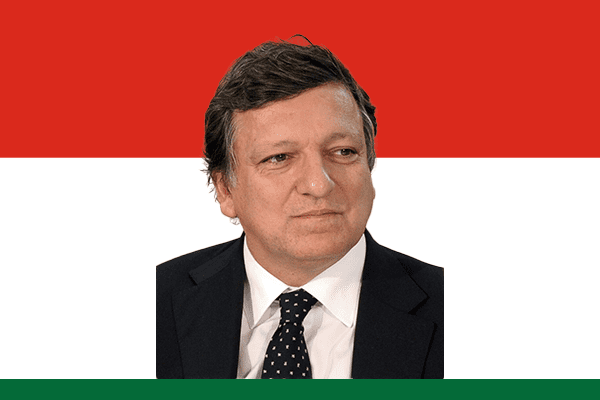
Early Life and Education
José Manuel Durão Barroso was born on March 23, 1956, in Lisbon, Portugal. He grew up in an intellectually active environment that encouraged critical thinking and public engagement. He studied law at the University of Lisbon and later pursued postgraduate studies in political science at the University of Geneva.
During his youth, he actively participated in political movements, which helped him develop strong ideological foundations. Instead of remaining a passive observer, he engaged directly in debates and student leadership, gaining valuable experience that would shape his future career.
Early Political Career
Barroso began his political journey in Portuguese politics after the Carnation Revolution of 1974, a major turning point in Portugal’s transition to democracy. He joined the Social Democratic Party and quickly rose through its ranks. He served in several government roles, including Minister of Foreign Affairs, where he strengthened Portugal’s international relationships.
He actively contributed to policy-making and diplomatic efforts, demonstrating his ability to navigate complex political environments. His leadership skills and strategic thinking earned him recognition both nationally and internationally.
Prime Minister of Portugal
In 2002, Barroso became Prime Minister of Portugal. During his tenure, he focused on economic reform, fiscal discipline, and modernization. He introduced measures aimed at reducing public deficits and improving economic competitiveness.
Rather than adopting a passive approach, he took decisive actions to stabilize the economy and strengthen Portugal’s position within the European Union. His leadership reflected a commitment to reform and long-term growth, even in the face of political challenges.
President of the European Commission
In 2004, Barroso assumed office as President of the European Commission, one of the most powerful positions in the European Union. He served two consecutive terms until 2014. During this period, he played a key role in managing major events, including the global financial crisis and the eurozone crisis.
He actively coordinated responses among EU member states, promoted economic stability, and supported policies aimed at recovery and growth. He also worked to expand the European Union and strengthen its global influence. His leadership required constant negotiation and collaboration with diverse political leaders across Europe.
Leadership Style and Contributions
Barroso’s leadership style emphasizes pragmatism, diplomacy, and strategic vision. He consistently engages with stakeholders and promotes consensus-building. He does not rely on passive governance; instead, he actively drives initiatives and encourages cooperation among nations.
He contributed significantly to the advancement of European integration, helping to shape policies on trade, climate change, and economic governance. His efforts strengthened the European Union’s role as a global actor.
Later Career and Influence
After leaving the European Commission, Barroso continued to influence global discussions on economics and international relations. He took on roles in academia and the private sector, sharing his expertise and insights. He remains an important voice in debates about globalization and European unity.
Conclusion
José Manuel Barroso’s career reflects dedication to public service and international cooperation. From his early political involvement to his leadership at the European level, he consistently took an active role in shaping policy and governance. His contributions have left a lasting impact on Portugal and the European Union.