Mr. José Ramos-Horta
In Office: 26 June 2006 – 19 May 2007
Political Party: Independent
Home State: Dili
Lifespan: born 1949
Country: Timor-Leste
Image credits available here.
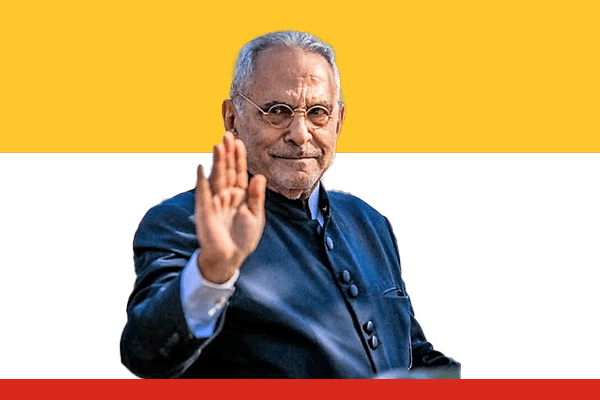
José Ramos-Horta
Prime Minister José Ramos-Horta is one of the most influential political figures in the history of Timor-Leste. Born on December 26, 1949, in Dili, he became internationally known for his tireless efforts to secure independence for his country from Indonesian occupation. Over the decades, Ramos-Horta has served in various key roles, including foreign minister, prime minister, and president. His leadership, diplomatic skills, and dedication to peace have made him a respected statesman both domestically and internationally.
Ramos-Horta’s political journey began during the turbulent period of the 1970s when Timor-Leste, then known as Portuguese Timor, sought independence from Portugal. In 1975, Indonesia invaded the territory, leading to years of conflict and suffering. During this time, Ramos-Horta went into exile and became the international spokesperson for the Timorese resistance. For nearly 25 years, he worked tirelessly at the United Nations and other international forums to draw attention to the human rights violations occurring in his homeland. His diplomatic persistence kept the issue alive on the global stage and helped build support for Timor-Leste’s right to self-determination.
In 1996, Ramos-Horta was jointly awarded the Nobel Peace Prize along with Bishop Carlos Filipe Ximenes Belo. The prize recognized their nonviolent efforts to achieve a just and peaceful solution to the conflict in Timor-Leste. This international recognition further strengthened the independence movement and increased global awareness of the situation. The Nobel Prize cemented Ramos-Horta’s status as a symbol of peace and resilience.
Following a United Nations-sponsored referendum in 1999, the people of Timor-Leste voted overwhelmingly for independence. After a period of transitional administration, the country officially became independent in 2002. Ramos-Horta returned home and served as the first foreign minister of the newly independent nation. In this role, he focused on establishing diplomatic relations, securing international aid, and promoting stability. His global connections and experience proved invaluable during the fragile early years of nation-building.
Ramos-Horta later served as prime minister and then as president from 2007 to 2012. During his presidency, he faced significant challenges, including political instability and an assassination attempt in 2008, which he survived. Despite these hardships, he continued to advocate for national unity, reconciliation, and democratic governance. His leadership helped guide Timor-Leste through difficult transitions and strengthened its democratic institutions.
In recent years, Ramos-Horta has once again taken on leadership responsibilities, reflecting his enduring influence in Timorese politics. As prime minister, he emphasizes economic development, education, healthcare, and diversification of the economy beyond oil and gas revenues. He also promotes regional cooperation within Southeast Asia and aims to strengthen Timor-Leste’s role in international organizations.
Throughout his career, José Ramos-Horta has been known for his calm demeanor, diplomatic approach, and commitment to peaceful dialogue. His life story is closely tied to the modern history of Timor-Leste. From exile activist to Nobel laureate, from foreign minister to president and prime minister, his contributions have shaped the nation’s identity and global standing.
In summary, Prime Minister José Ramos-Horta stands as a central figure in Timor-Leste’s journey toward independence and stability. His decades of dedication to peace, justice, and democracy have left a lasting legacy. As a leader who combines international experience with national commitment, Ramos-Horta continues to influence the future direction of his country while inspiring others with his example of perseverance and hope.