Mr. Jung Hong-won
In Office: 26 February 2013 – 16 February 2015
Political Party: Independent
Home State: Hadong
Lifespan: born 1944
Country: South Korea
Image credits available here.
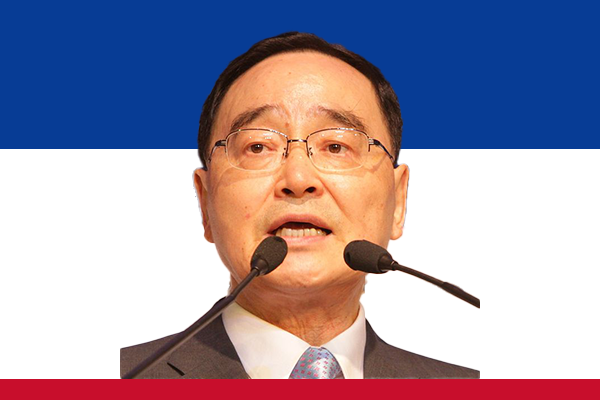
Prime Minister Jung Hong-won: Leadership and Legacy
Jung Hong-won, born on October 9, 1944, in Koryang, South Korea, emerged as a prominent figure in the country’s political landscape. He built a distinguished career in law enforcement and public administration before assuming the role of Prime Minister of South Korea. Known for his integrity and commitment to public service, Jung left a lasting impact on national governance.
Early Life and Education
Jung Hong-won demonstrated a strong sense of duty from a young age. He attended Seoul National University, where he earned a degree in law. His academic excellence laid the foundation for a career focused on justice, public safety, and effective governance. His early experiences in law enforcement instilled in him a practical understanding of administrative systems and civic responsibility.
Career in Law Enforcement
After graduating, Jung joined the Korean National Police Agency, where he quickly rose through the ranks. He actively led multiple initiatives to improve public safety and modernize police operations. His leadership style emphasized transparency, accountability, and community engagement. By implementing reforms and promoting professionalism within the police force, Jung established a reputation as a dedicated public servant.
Entry into Politics
Jung transitioned to politics in the late 20th century, bringing his experience in law enforcement and administration to national policymaking. He served in various advisory roles, focusing on internal security, administrative efficiency, and civil affairs. His practical approach and problem-solving skills earned him respect among peers and citizens alike.
Appointment as Prime Minister
In 2013, President Park Geun-hye appointed Jung Hong-won as the Prime Minister of South Korea. As Prime Minister, Jung actively coordinated government policies and reforms, overseeing domestic and economic programs. He worked closely with cabinet members to address national challenges, including public safety, social welfare, and economic growth.
Handling National Crises
Prime Minister Jung faced critical national crises during his tenure. Most notably, he managed the government’s response to the Sewol Ferry disaster in 2014. Jung personally coordinated rescue operations, directed inter-agency communication, and addressed public concerns. While the tragedy tested his leadership, he maintained a steady focus on accountability, reform, and improving emergency response systems.
Reforms and Policy Initiatives
Jung actively pursued reforms aimed at modernizing administrative processes and strengthening public institutions. He introduced measures to enhance government transparency, improve civil service efficiency, and promote social welfare programs. His policies reflected a commitment to balancing economic development with citizens’ safety and well-being.
Leadership Style and Legacy
Jung Hong-won’s leadership style combined diligence, pragmatism, and a sense of moral responsibility. He emphasized teamwork, encouraged open communication, and prioritized evidence-based decision-making. Through his career, he inspired many public servants to adopt ethical practices and citizen-focused governance.
Even after resigning from the prime ministership in 2015, Jung continued to contribute to public life. He advised governmental bodies on administrative reform and policy implementation, sharing his expertise with future leaders. His legacy reflects a lifetime of service marked by integrity, resilience, and dedication to the nation.
Conclusion
Prime Minister Jung Hong-won remains a notable figure in South Korea’s political history. From his early career in law enforcement to his tenure as Prime Minister, he consistently demonstrated leadership, accountability, and a commitment to public service. His efforts during national crises and dedication to reform have left a lasting imprint on South Korean governance.