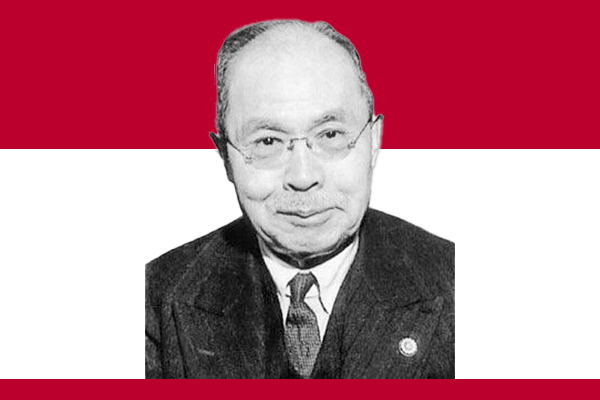
Early Life and Education
Shidehara grew up in a family with a tradition of public service. He pursued higher education at the prestigious Tokyo Imperial University, where he studied law. His legal training laid the foundation for his career in diplomacy and governance. From early on, Shidehara exhibited a keen understanding of international relations and a commitment to ethical leadership.
Diplomatic Career
Shidehara’s diplomatic career began in the Japanese foreign service, where he quickly gained a reputation for tact, intelligence, and negotiation skills. He served in multiple key posts, including as ambassador to the United States. During his tenure in Washington, Shidehara worked tirelessly to maintain friendly relations between Japan and Western powers, promoting mutual understanding and cooperation.
He championed the Shidehara Diplomacy, which prioritized non-aggressive foreign policy, international law, and peaceful negotiations. This approach helped Japan avoid conflict in an era marked by rising militarism in Asia and abroad. Shidehara’s efforts earned him respect both domestically and internationally.
Prime Ministership
Kijūrō Shidehara became Prime Minister of Japan on October 9, 1945, following Japan’s surrender in World War II. His leadership during this critical period focused on rebuilding the nation, promoting democratic reforms, and restoring Japan’s position in the international community. Shidehara actively guided the country through the initial stages of post-war recovery and helped lay the groundwork for Japan’s pacifist constitution.
During his tenure, Shidehara emphasized cooperation with Allied powers, encouraging the Japanese government to embrace transparency, reform, and democratic principles. He advocated for civil liberties, social reforms, and the importance of international diplomacy, reflecting his lifelong commitment to peace and stability.
Contributions and Legacy
Shidehara’s contributions to Japan extend beyond his term as Prime Minister. He influenced Japan’s foreign policy philosophy for decades, advocating a balance between national interests and international cooperation. His dedication to peaceful diplomacy helped Japan avoid further conflicts and fostered a positive reputation for the country abroad.
Scholars recognize Shidehara as a symbol of moderate, pragmatic leadership. His emphasis on law, diplomacy, and human rights continues to inspire Japanese policymakers and international diplomats. By promoting dialogue over confrontation, Shidehara left a legacy that resonates in Japan’s post-war pacifist identity.
Personal Life
Shidehara valued education, ethics, and public service. Despite his high-ranking positions, he maintained a modest lifestyle and prioritized the welfare of his nation over personal gain. His integrity and dedication earned him admiration among colleagues and citizens alike.
Conclusion
Kijūrō Shidehara’s career demonstrates the power of diplomacy, ethical leadership, and commitment to peace. As a diplomat, Prime Minister, and visionary leader, he guided Japan through some of its most challenging times. His legacy endures in Japan’s post-war political framework and its continued dedication to peaceful international relations.