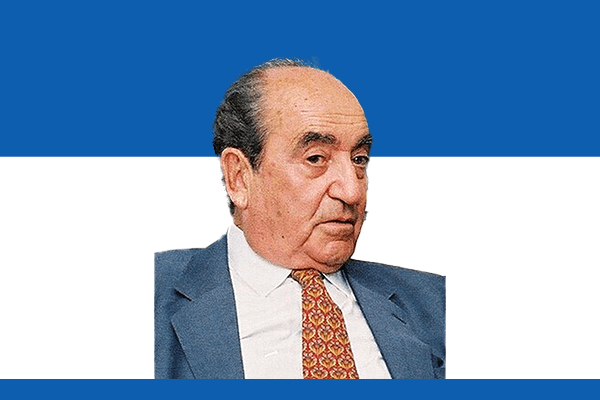
Early Life and Background
Konstantinos Mitsotakis was born on October 18, 1918, in Chania, Crete, into a prominent political family. He grew up in an environment shaped by public service and national affairs. He studied law at the University of Athens and developed a strong interest in politics at an early age.
During World War II, he participated in the Greek resistance against Axis occupation. His involvement demonstrated his commitment to national independence and democracy. After the war, he entered politics and quickly established himself as a capable and determined leader.
Political Career Beginnings
Mitsotakis began his parliamentary career in 1946 when he was elected as a member of the Hellenic Parliament. He aligned himself with centrist political movements and gained recognition for his administrative abilities. Over the years, he held several ministerial positions, where he actively contributed to economic planning and governance.
In 1965, he played a controversial role in the political crisis known as the “Apostasia,” when he broke away from Prime Minister Georgios Papandreou. This decision affected his political reputation, but he remained an influential figure in Greek politics.
Exile and Return
During the military junta that ruled Greece from 1967 to 1974, Mitsotakis went into exile to avoid persecution. He stayed politically active even while abroad, advocating for the restoration of democracy in Greece. After the fall of the dictatorship in 1974, he returned to Greece and re-entered political life with renewed determination.
He joined the center-right party New Democracy and played a key role in shaping its policies and direction. His leadership skills helped him rise within the party ranks.
Prime Ministership (1990–1993)
In 1990, Mitsotakis became Prime Minister of Greece. He led a government that focused on economic reform, privatization, and fiscal discipline. Instead of maintaining state control over industries, he promoted free-market policies to improve efficiency and competitiveness.
His administration worked to reduce public deficits and modernize the economy. He also strengthened Greece’s ties with the European Community, emphasizing integration and cooperation. However, his policies faced strong opposition from trade unions and political rivals.
During his tenure, he also addressed foreign policy challenges, including relations with neighboring countries and the Macedonia naming dispute. He took active steps to maintain stability and protect Greece’s national interests.
Leadership Style and Challenges
Mitsotakis led with a pragmatic and determined approach. He focused on long-term reforms rather than short-term popularity. While critics often challenged his policies, he remained committed to economic restructuring and modernization.
His government faced political instability, including a narrow parliamentary majority and internal party conflicts. In 1993, his administration lost power after elections, bringing his term as Prime Minister to an end.
Legacy and Influence
Konstantinos Mitsotakis left a lasting impact on Greek politics. He shaped the direction of economic reform and influenced future policy debates. His commitment to modernization helped prepare Greece for deeper integration into European institutions.
His political legacy continued through his family, including his son, Kyriakos Mitsotakis, who later became Prime Minister of Greece. This continuity highlights the enduring influence of his ideas and leadership.
Conclusion
Konstantinos Mitsotakis stands out as a significant figure in Greece’s political history. He actively pursued reform, modernization, and European integration during a challenging period. His leadership, though controversial at times, contributed to shaping contemporary Greece and its economic direction.