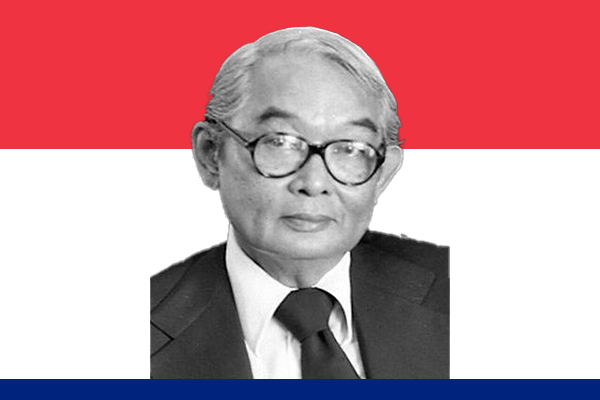
Early Life and Education
Kukrit Pramoj was born on April 20, 1911, into the influential Pramoj family, which held close ties to the Thai royal court. He received a strong foundation in Thai culture and values from an early age. Kukrit pursued higher education in the United Kingdom, where he studied philosophy, politics, and economics at Oxford University. This academic exposure shaped his analytical thinking and broadened his worldview. After returning to Thailand, he applied his knowledge to journalism, public service, and intellectual discourse.
Literary and Cultural Contributions
Before entering high-level politics, Kukrit Pramoj earned national recognition as a writer, scholar, and cultural thinker. He authored novels, essays, and commentaries that explored Thai society, history, and identity. His most famous literary work, Four Reigns, portrayed the transformation of Thai society across generations. Through his writing, Kukrit strengthened cultural awareness and promoted pride in Thailand’s heritage. His intellectual reputation later enhanced his credibility as a political leader.
Entry into Politics
Kukrit Pramoj actively entered politics during a time when Thailand searched for democratic stability. He founded the Social Action Party, which emphasized social justice, rural development, and moral governance. His political philosophy balanced democratic ideals with respect for tradition and monarchy. Kukrit’s calm demeanor and intellectual authority helped him gain public trust during an era of political uncertainty.
Prime Ministership (1975–1976)
Kukrit Pramoj assumed office as Prime Minister in March 1975. He led a coalition government and worked to stabilize Thailand’s political environment. His administration prioritized rural development, education, and social welfare. Kukrit encouraged decentralization and sought to reduce inequality between urban and rural populations.
One of his most significant achievements involved foreign policy. Kukrit Pramoj established diplomatic relations with the People’s Republic of China, strengthening Thailand’s international standing. He also negotiated the withdrawal of foreign military presence from Thai soil, asserting national sovereignty. These decisions reflected his strategic vision and independent leadership style.
Challenges and Political Transition
Despite his achievements, Kukrit Pramoj faced political challenges due to coalition pressures and ideological divisions. His government encountered resistance from competing political forces, which eventually led to its fall in 1976. Even after leaving office, Kukrit continued to influence Thai political thought through commentary, writing, and public engagement. He never abandoned his commitment to democratic values and national unity.
Legacy and Historical Significance
Kukrit Pramoj left a lasting legacy as a thinker-statesman rather than a conventional politician. He demonstrated that leadership could combine intellect, culture, and ethics. His contributions to diplomacy, literature, and political philosophy continue to inspire scholars and leaders in Thailand. Kukrit’s life exemplified the belief that national progress depends not only on power but also on wisdom and cultural understanding.
Conclusion
Prime Minister Kukrit Pramoj shaped modern Thailand through thoughtful leadership, cultural insight, and diplomatic foresight. He governed during a critical period with integrity and intelligence, leaving behind a legacy that extends beyond politics. His role as a scholar, writer, and statesman ensures his enduring place in Thai history.