Mr. Kuniaki Koiso
In Office: 22 July 1944 – 7 April 1945
Political Party: Imperial Rule Assistance Association
Home State: Utsunomiya
Lifespan: 1880–1950
Country: Japan
Image credits available here.
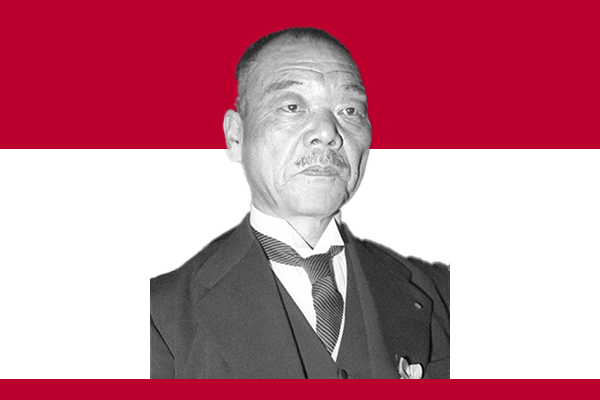
Early Life and Military Career
Kuniaki Koiso was born on March 22, 1880, in Tochigi Prefecture, Japan. He pursued his education at military academies and graduated from the Imperial Japanese Army Academy. He quickly climbed the military ranks because of his dedication and discipline. By displaying exceptional leadership in the field, he earned key positions within the Imperial Japanese Army.
Koiso served in several capacities, including roles as a staff officer and commander. He strengthened Japan’s military presence in various regions. His growing reputation as a capable officer paved the way for his political career, blending military authority with administrative expertise.
Political Rise and Ministerial Roles
Koiso transitioned from military service to politics when he accepted positions in the Japanese government. He served as Governor-General of Korea, where he implemented administrative reforms. Although some of his policies aimed at modernizing infrastructure and governance, they also faced criticism for prioritizing Japanese imperial interests over local needs.
As War Minister, Koiso contributed to Japan’s military strategies and national defense policies. He emphasized discipline and readiness within the armed forces. His military background influenced his political decisions, especially during Japan’s aggressive expansion in East Asia.
Tenure as Prime Minister
Kuniaki Koiso became Prime Minister of Japan on July 22, 1944, during one of the most challenging periods in the nation’s history. The Allied forces were advancing, and Japan faced mounting military losses. Koiso attempted to stabilize the government while sustaining Japan’s war efforts.
He focused on strengthening defense strategies and maintaining public morale. At the same time, he managed internal political divisions and increasing pressure from the military elite. Despite his efforts, Japan continued to face defeats in the Pacific theater.
Koiso recognized the need for strategic planning, but limited resources and declining support hindered his leadership. His cabinet struggled to coordinate effective responses as the war situation worsened.
Resignation and Later Life
On April 5, 1945, Kuniaki Koiso resigned as Prime Minister after acknowledging Japan’s deteriorating position in the war. He handed over leadership to Admiral Kantaro Suzuki, who later led Japan toward surrender.
Following the war, Allied authorities arrested Koiso as a Class A war crimes suspect. The International Military Tribunal for the Far East tried and sentenced him to life imprisonment. He spent his final years in prison, where he died on November 3, 1950.
Legacy and Historical Significance
Historians view Kuniaki Koiso as a leader who faced impossible challenges during Japan’s final wartime years. His military discipline shaped his political approach, but Japan’s unfavorable circumstances limited his effectiveness as Prime Minister.
Today, scholars analyze his tenure to understand Japan’s political decisions during World War II. His life reflects the complex relationship between military leadership and political authority in modern Japanese history.