Mr. Kurmanbek Bakiyev
In Office: 21 December 2000 – 22 May 2002
28 March 2005 – 15 August 2005
Political Party: Independent
Home State: Manas
Lifespan: born 1949
Country: Kyrgyzstan
Image credits available here.
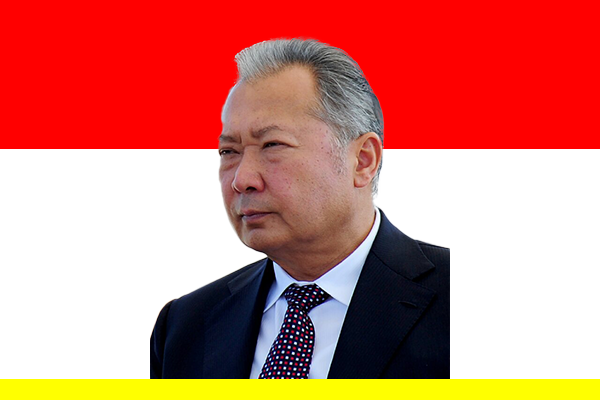
Appointment as Prime Minister
Kurmanbek Bakiyev was appointed Prime Minister of Kyrgyzstan in December 2000 under President Askar Akayev. At the time, the country was struggling with economic decline, corruption concerns, and tensions between the government and opposition groups. Bakiyev was seen as a strong administrator with regional support, particularly from southern Kyrgyzstan. His appointment was intended to stabilize the government and restore public confidence in state institutions.
Domestic Policies and Governance
As Prime Minister, Bakiyev focused on administrative control and internal security. His government emphasized strengthening state authority and managing political opposition, which was becoming increasingly vocal. Economic reforms were discussed, but progress remained limited due to weak state finances and dependence on external assistance. While Bakiyev promised improvements in governance and accountability, critics argued that his administration relied heavily on centralized decision-making rather than inclusive reforms.
Political Challenges and Resignation
Bakiyev’s tenure as Prime Minister was marked by controversy. Parliamentary pressure, public protests, and conflicts with political rivals weakened his position. Accusations of corruption and authoritarian methods further damaged his credibility. In May 2002, following violent clashes between protesters and security forces in the Aksy region, Bakiyev resigned from the post of Prime Minister. The incident became a turning point in Kyrgyz politics and significantly affected public trust in the government.
Role in Opposition Politics
After resigning, Kurmanbek Bakiyev did not leave politics. Instead, he became a prominent opposition leader. His experience as Prime Minister gave him national recognition and administrative credibility. He capitalized on public dissatisfaction with President Akayev’s leadership and gradually positioned himself as a key figure in the opposition movement. This period allowed Bakiyev to build alliances and expand his influence across different regions of the country.
Path to the Presidency
Bakiyev’s time as Prime Minister played a crucial role in his eventual rise to the presidency. During the 2005 Tulip Revolution, widespread protests led to the removal of President Akayev. Bakiyev emerged as a leading figure during the upheaval and was appointed acting Prime Minister and President. Later that year, he won the presidential election, marking a dramatic political comeback after his earlier resignation.
Historical Significance
Kurmanbek Bakiyev’s tenure as Prime Minister is remembered as a formative stage in his political career. Although his time in office was relatively short, it highlighted the deep structural problems facing Kyrgyzstan’s governance system. His premiership reflected the broader challenges of post-Soviet state-building, including political instability, economic vulnerability, and struggles between authority and democratic reform.
Conclusion
Kurmanbek Bakiyev’s service as Prime Minister of Kyrgyzstan was a pivotal chapter in the country’s political history. While his government faced criticism and ultimately ended in resignation, the experience positioned him as a national leader and shaped his future political trajectory. Understanding his role as Prime Minister provides valuable insight into both his later presidency and the evolving political landscape of Kyrgyzstan.