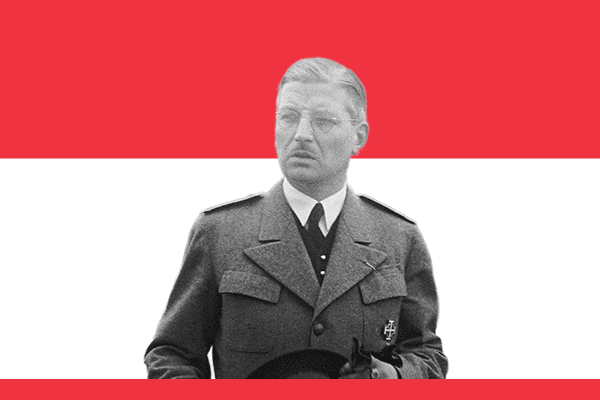
Early Life and Education
Kurt Schuschnigg was born on December 14, 1897, in Riva del Garda, which was then part of the Austro-Hungarian Empire. He grew up in a military family and developed a strong sense of discipline and patriotism from an early age. He attended schools in Innsbruck and later studied law at the University of Innsbruck.
During World War I, Schuschnigg served in the Austro-Hungarian Army. The war deeply influenced his political beliefs and strengthened his support for Austrian nationalism and conservative values. After the war, he completed his legal studies and began practicing law while participating actively in politics.
Political Career
Schuschnigg joined the Christian Social Party, a conservative political movement in Austria. His intelligence, discipline, and leadership abilities helped him rise quickly within the party. In the early 1930s, Austria faced political conflict, economic struggles, and pressure from Nazi Germany.
In 1934, Schuschnigg became Chancellor of Austria after the assassination of Chancellor Engelbert Dollfuss by Austrian Nazis. As chancellor, he focused on protecting Austria’s independence and maintaining stability in the country. He strongly opposed Nazi ideology and refused to allow Austria to become part of Germany.
Schuschnigg established an authoritarian government that limited opposition parties, but he believed these measures would preserve Austrian unity and protect the nation from extremist movements. He promoted Austrian identity and encouraged citizens to support national independence.
Resistance Against Nazi Germany
Kurt Schuschnigg became widely known for resisting the ambitions of Adolf Hitler. Hitler wanted to unite Austria with Germany under Nazi control. Schuschnigg understood the danger this posed to Austrian sovereignty and tried to defend the country through diplomacy and political action.
In February 1938, Schuschnigg met Hitler in Berchtesgaden, Germany. Hitler pressured him to give Austrian Nazis greater political power. Although Schuschnigg accepted some demands under pressure, he continued searching for ways to preserve Austrian independence.
In March 1938, Schuschnigg announced a national referendum that would allow Austrians to vote on maintaining independence. He hoped the people would reject Nazi influence and support a free Austria. However, Hitler reacted aggressively and threatened military invasion.
Facing overwhelming pressure, Schuschnigg resigned on March 11, 1938. Soon afterward, German troops entered Austria during the Anschluss. Austria lost its independence and became part of Nazi Germany.
Imprisonment and Later Life
After the annexation, Nazi authorities arrested Schuschnigg. He spent several years in prisons and concentration camps under harsh conditions. Despite these hardships, he survived the imprisonment period of World War II.
In 1945, Allied forces liberated him from Nazi captivity. After the war, Schuschnigg moved to the United States, where he worked as a professor of political science at Saint Louis University. Through teaching and public speaking, he shared his experiences and insights about dictatorship, democracy, and European politics.
He later returned to Austria and spent his final years quietly. Kurt Schuschnigg died on November 18, 1977, in Mutters, Austria.
Legacy and Historical Importance
Kurt Schuschnigg remains an important figure in Austrian history because he defended Austrian independence during one of Europe’s most dangerous political periods. Although he could not stop Nazi Germany from annexing Austria, his resistance symbolized courage and national pride.
Historians continue to study his leadership, policies, and decisions during the 1930s. Many people remember him as a leader who stood against dictatorship despite facing enormous political and military pressure.
Conclusion
Kurt Schuschnigg played a significant role in Austria’s history as a determined leader who opposed Nazi expansion and defended national sovereignty. His courage during a difficult era earned him respect both in Austria and internationally. His life continues to remind people about the importance of freedom, independence, and resistance against authoritarian rule.