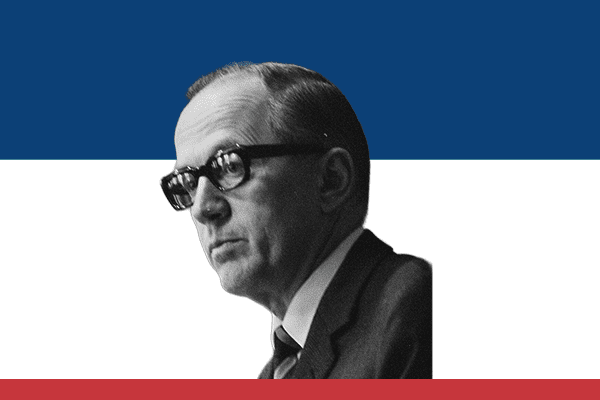
Early Life and Education
Lars Korvald was born on April 29, 1916, in Mjøndalen, Norway. He grew up in a hardworking family that valued honesty, discipline, and community service. These principles shaped his character and later influenced his political career.
Korvald pursued higher education in theology and agriculture. His studies gave him a deep understanding of social issues and rural development. Before entering national politics, he worked as a teacher and farmer. These experiences connected him closely with ordinary citizens and helped him understand the needs of local communities.
Entry into Politics
Lars Korvald joined the Christian Democratic Party at a young age because he believed politics should promote ethical leadership and social welfare. He gradually built his reputation as a thoughtful and dependable politician.
He served in the Norwegian Parliament for several years and focused on agriculture, education, and family welfare policies. Instead of seeking popularity, Korvald concentrated on practical solutions and honest governance. His sincere approach earned the trust of both colleagues and voters.
Becoming Prime Minister
In 1972, Norway experienced major political changes after a national debate about joining the European Economic Community (EEC). Prime Minister Trygve Bratteli resigned following the rejection of EEC membership in a public referendum. As a result, Lars Korvald formed a coalition government and became Prime Minister of Norway.
Korvald led a non-socialist coalition that included the Christian Democratic Party, the Centre Party, and the Liberal Party. Although the coalition faced political challenges, he worked hard to maintain unity among different political groups.
Leadership and Policies
As prime minister, Lars Korvald focused on strengthening Norway’s economy, supporting rural communities, and protecting national independence. He believed Norway should make decisions based on its own interests rather than external pressure.
His government promoted social welfare programs and encouraged cooperation between political parties. Korvald also supported environmental protection and responsible use of natural resources, which later became important issues in Norwegian politics.
Instead of creating conflict, he preferred dialogue and compromise. His leadership style reflected patience, humility, and respect for democratic values. Many people admired him for remaining calm during difficult political situations.
Personal Qualities and Public Image
Lars Korvald became known for his modest personality and ethical principles. Unlike many political leaders who sought personal attention, he focused on serving the public quietly and responsibly.
People respected him because he listened carefully to different opinions and treated others with kindness. His religious faith also influenced his dedication to fairness, honesty, and compassion. Even political opponents appreciated his integrity and respectful behavior.
Later Life and Legacy
After leaving the position of prime minister in 1973, Korvald continued contributing to public life. He remained active in politics and social organizations while supporting community development projects.
His leadership demonstrated that effective governance does not always require dramatic actions or aggressive politics. Instead, he showed that patience, cooperation, and moral responsibility can create stability and trust.
Lars Korvald passed away on July 4, 2006, but many Norwegians continue to remember him as a sincere and dependable leader. Historians often describe him as a politician who placed national interests above personal ambition.
Conclusion
Lars Korvald played an important role in Norwegian politics during a critical period in the country’s history. Through active leadership, ethical values, and dedication to democracy, he earned respect across Norway. His calm and thoughtful approach continues to inspire political leaders and citizens today.