Mr. Lee Hong-koo
In Office: 17 December 1994 – 18 December 1995
Political Party: Independent
Home State: Keiki-dō
Lifespan: born 1934
Country: South Korea
Image credits available here.
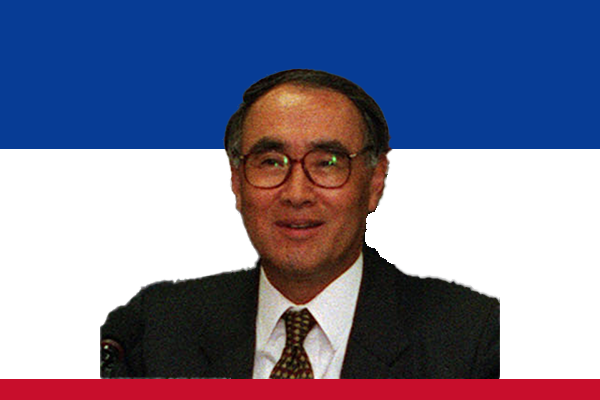
Early Life and Academic Foundations
Lee Hong-koo entered the world in 1934 in Gyeonggi Province, and he grew up during a time of turbulent change on the Korean Peninsula. He pursued education with determination and built a strong academic foundation. After completing his early studies in Korea, he advanced to the United States, where he earned graduate degrees in political science. He embraced research, questioned existing political structures, and sharpened his understanding of diplomacy and democracy. When he returned to South Korea, he began teaching and influencing a new generation of students who admired his clarity, discipline, and global perspective.
Rise in Public Life
Lee transitioned from academia to politics because he believed he could contribute more directly to the nation’s progress. He accepted advisory roles and joined key policy discussions. Government leaders recognized his intellectual depth, and they invited him to participate in diplomatic initiatives. Lee represented South Korea in several international forums, where he argued for democratic strengthening and economic reform. His calm, analytical approach impressed both domestic and foreign observers, and the government offered him positions that demanded strategic thinking and negotiation skills.
Leadership as Prime Minister
In 1994, President Kim Young-sam appointed Lee Hong-koo as Prime Minister. Lee accepted the responsibility at a time when South Korea was undergoing significant political and economic transformation. He quickly reorganized administrative priorities and pushed ministries to modernize their systems. He advocated transparency, encouraged civil service reform, and prioritized democratic consolidation. Instead of relying on passive bureaucracy, he urged officials to take initiative and produce measurable results.
Lee strengthened South Korea’s international standing by engaging global partners through dialogue and cooperation. He represented Korean interests with clarity and confidence, and he explained the nation’s reform programs to international audiences. At home, he focused on social stability, economic discipline, and political openness. He handled sensitive issues with patience and tact, ensuring that national debates progressed constructively rather than divisively.
Diplomatic Contributions
Even after his term as Prime Minister ended in 1995, Lee continued shaping national policy through diplomacy. He served as South Korea’s ambassador to the United States, where he promoted mutual trust between the two countries. He met lawmakers, scholars, and policymakers, and he explained Korea’s democratic progress and security concerns. He built bridges between Seoul and Washington by encouraging cooperation grounded in shared values and long-term strategic goals.
Legacy and Influence
Lee Hong-koo stands as a respected figure who blended academic insight with political leadership. He consistently advocated democracy, reform, and responsible governance. He inspired students, diplomats, and politicians by demonstrating that intellectual integrity and public service can work together. Today, South Koreans remember him as a leader who contributed thoughtfully to democratic consolidation and international diplomacy.