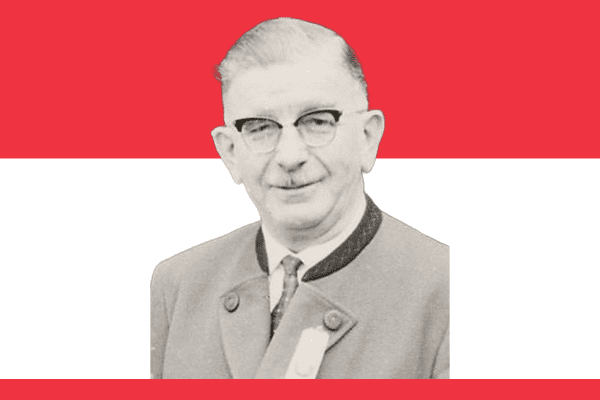
Early Life and Education
Leopold Figl was born on October 2, 1902, in Rust im Tullnerfeld, Lower Austria. He grew up in a farming family and developed strong values of hard work and responsibility from an early age. After completing his schooling, he studied agriculture at the l University of Natura Resources and Life Sciences in Vienna.
His education strengthened his understanding of rural issues and public administration. Figl later became actively involved in agricultural organizations and political activities connected with farmers and rural communities. His leadership abilities quickly attracted attention within Austrian political circles.
Political Career Before World War II
Figl joined the Christian Social Party, which later influenced the formation of the Austrian People’s Party. During the 1930s, he served in several political and agricultural leadership positions. He strongly supported Austrian independence and opposed extremist political movements.
When Nazi Germany annexed Austria in 1938, Figl openly resisted Nazi control. Because of his opposition, the Nazi regime arrested him and imprisoned him in concentration camps, including Dachau and Mauthausen. Despite harsh treatment and years of suffering, he remained committed to democratic ideals and Austrian freedom.
Leadership After World War II
After the end of World War II in 1945, Leopold Figl emerged as one of Austria’s most important political leaders. He helped establish the Austrian People’s Party and became the first Chancellor of the restored Republic of Austria.
Austria faced severe destruction, food shortages, unemployment, and political uncertainty after the war. Figl actively worked to rebuild government institutions and restore public confidence. He encouraged cooperation between political parties and promoted national unity instead of division.
Under his leadership, Austria began economic recovery and rebuilt diplomatic relations with other countries. Figl also worked closely with Allied powers occupying Austria after the war. His calm leadership and determination helped stabilize the nation during a fragile period.
Austrian State Treaty and National Independence
One of Leopold Figl’s greatest achievements came in 1955 with the signing of the Austrian State Treaty. Although he no longer served as Chancellor at that time, he played a central role as Foreign Minister in negotiations with the Allied powers.
The treaty officially ended foreign occupation and restored Austria’s full sovereignty. Figl famously declared, “Austria is free!” after signing the agreement. His words became one of the most memorable moments in Austrian history and symbolized the country’s return to independence.
Through diplomatic skill and persistence, Figl strengthened Austria’s international reputation and secured a peaceful future for the nation.
Personal Qualities and Leadership Style
Leopold Figl earned respect for his humility, honesty, and dedication to public service. He communicated directly with ordinary citizens and understood the struggles faced by rural and working-class communities. Instead of seeking personal power, he focused on rebuilding Austria and protecting democracy.
His experiences during Nazi imprisonment shaped his belief in freedom, cooperation, and human dignity. He encouraged political moderation and rejected extremism throughout his career.
Legacy and Historical Importance
Leopold Figl remains one of Austria’s most admired political figures. His leadership during the postwar years laid the foundation for Austria’s recovery and long-term stability. Historians recognize him for strengthening democracy and helping Austria regain independence peacefully.
Many Austrians remember him as a patriotic leader who guided the nation through crisis with courage and determination. Streets, schools, and public buildings across Austria honor his contributions and legacy.
Conclusion
Leopold Figl transformed Austria during a critical moment in history. Through strong leadership, democratic values, and diplomatic success, he helped rebuild a devastated nation and restore its independence. His dedication to public service and national unity continues to inspire future generations in Austria and beyond.