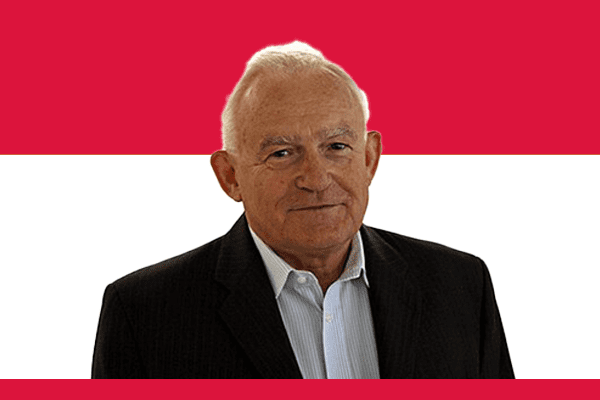
Early Life and Political Career
Leszek Miller was born on July 3, 1946, in Żyrardów. He grew up in a working-class family and completed his education in political science. During the communist era, he joined the Polish United Workers’ Party, the ruling party of Poland at that time. Miller gradually rose through the party ranks and gained administrative and political experience.
After the political changes that followed the collapse of communism in Poland in 1989, Miller adapted to the new democratic system. He became a founding member of the Democratic Left Alliance, a political coalition representing social-democratic values. Through this platform, he continued to influence Polish politics and gained strong support among voters who favored social welfare policies and economic reforms.
Prime Minister of Poland
In 2001, Leszek Miller led the Democratic Left Alliance to victory in the parliamentary elections. As a result, he became the Prime Minister of Poland. During his tenure, he focused on economic reforms, social programs, and international cooperation. One of the most significant achievements of his government was completing negotiations for Poland’s accession to the European Union.
Under Miller’s leadership, Poland signed the Accession Treaty in 2003. The Polish people later approved EU membership through a national referendum. As a result, Poland officially joined the European Union on May 1, 2004. This historic milestone strengthened Poland’s economic prospects and increased its influence within Europe.
Miller’s government also implemented several domestic reforms aimed at stabilizing the economy and improving public administration. However, his administration faced criticism over corruption scandals and economic challenges. These issues gradually reduced public support for his government.
Resignation and Later Political Life
Leszek Miller resigned as Prime Minister in May 2004, shortly after Poland joined the European Union. Despite stepping down from the premiership, he remained active in politics. Over the following years, he continued to participate in parliamentary work and political debates in Poland.
Miller also served as a member of the European Parliament, where he represented Poland and contributed to discussions on European policy and regional cooperation. His experience in both national and European politics made him an influential voice on issues related to European integration and social democracy.
Legacy and Political Influence
Leszek Miller’s political legacy remains closely connected with Poland’s integration into European structures. His leadership during the EU accession process helped shape Poland’s modern political and economic landscape. While controversies surrounded parts of his tenure, many historians acknowledge his role in guiding Poland through an important stage of its development.
Today, Miller is regarded as one of the key figures in post-communist Polish politics. His long career reflects the broader transformation of Poland from a communist state to a democratic member of the European Union.