Early Life and Education
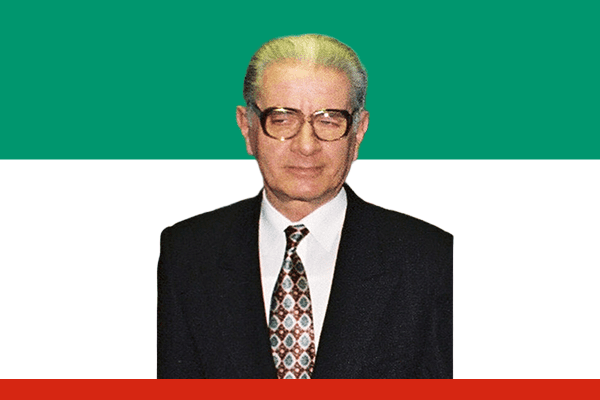
Lyuben Berov was born on October 6, 1925, in Sofia, Bulgaria. He developed a strong interest in economics and history at a young age. He studied economics at Sofia University and later specialized in economic history. Through hard work and dedication, he became one of Bulgaria’s respected economic scholars.
Berov spent many years teaching and researching economic development. He published several academic works related to Bulgaria’s economic history and financial systems. His knowledge and expertise earned him recognition in academic and political circles.
Academic and Professional Career
Before entering politics, Berov built a successful academic career. He worked as a professor and economic researcher for many years. Instead of focusing on political activism, he concentrated on studying economic structures and development policies.
He also advised government institutions on economic matters. His practical understanding of economics made him a trusted expert during Bulgaria’s transition from a communist economy to a market-based system. Many political leaders valued his balanced opinions and professional approach.
Becoming Prime Minister
In December 1992, Lyuben Berov became the Prime Minister of Bulgaria. Political tensions and economic difficulties had weakened the country, and leaders searched for someone who could provide stability. Berov accepted the responsibility and formed a non-party government supported by different political groups.
Unlike many politicians of his time, Berov maintained a moderate and diplomatic style. He focused on solving economic problems rather than creating political conflicts. His government worked to reduce inflation, improve trade relations, and continue economic reforms.
Economic Reforms and Leadership
During Berov’s leadership, Bulgaria continued its transition toward a free-market economy. He encouraged private business growth and supported financial reforms. His administration also worked with international financial organizations to improve Bulgaria’s economic situation.
Berov promoted cooperation with European countries and international institutions. He understood that Bulgaria needed foreign investment and stronger global partnerships to rebuild its economy. Through negotiations and reforms, he aimed to increase economic stability.
Although the country still faced many economic struggles, Berov’s government managed to maintain relative political calm during a challenging time. His careful decision-making helped Bulgaria avoid deeper political crises.
Challenges During His Government
Lyuben Berov faced several serious challenges as prime minister. Bulgaria struggled with corruption, organized crime, unemployment, and financial instability. Political disagreements also created pressure on his administration.
Critics argued that his government moved too slowly on reforms. Others believed he relied heavily on political compromises. Despite these criticisms, Berov continued to focus on maintaining stability and avoiding major conflicts.
His leadership style remained practical and measured. Instead of making dramatic political speeches, he concentrated on administrative work and economic management.
Later Life and Legacy
After leaving office in 1994, Lyuben Berov stepped away from active politics. He returned to academic and public policy discussions while remaining respected for his economic knowledge and calm leadership style.
Berov’s contribution to Bulgaria’s democratic transition remains significant. He guided the country during a sensitive period when many Eastern European nations struggled with political and economic uncertainty. Historians often describe him as a technocratic leader who valued expertise over political confrontation.
Lyuben Berov passed away on December 7, 2006, in Sofia. Many Bulgarians remember him as an intelligent economist and a steady leader during a time of national transformation.
Conclusion
Lyuben Berov played an important role in Bulgaria’s post-communist history. Through his economic knowledge, diplomatic leadership, and commitment to stability, he helped Bulgaria navigate a difficult transitional period. Although challenges surrounded his government, his calm and professional approach earned him respect both in Bulgaria and internationally.