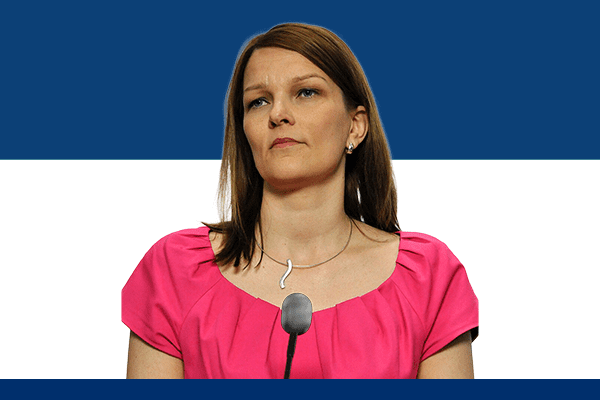
Early Life and Education
Mari Kiviniemi was born on September 27, 1968, in Seinäjoki, Finland. She grew up in a supportive environment that encouraged education and public participation. During her childhood, she developed a strong interest in politics and social issues.
She studied political science at the University of Helsinki and earned her master’s degree. Her education gave her a deep understanding of government systems, economics, and public administration. Instead of limiting herself to academic learning, she actively participated in student politics and community discussions.
Entry into Politics
Mari Kiviniemi began her political career at a young age. She joined the Centre Party of Finland and quickly became an active member. Her dedication and leadership skills helped her gain recognition within the party.
In 1995, she became a member of the Finnish Parliament. She represented the people with confidence and focused on issues such as rural development, education, and economic growth. Rather than remaining silent on national matters, she contributed actively to debates and policy-making.
Her growing popularity and strong communication skills helped her secure important positions in the government. She served in several ministerial roles, including Minister for Public Administration and Local Government.
Prime Minister of Finland
In 2010, Mari Kiviniemi became the Prime Minister of Finland after the resignation of Matti Vanhanen. She became the second woman to hold this position in Finnish history. Her appointment reflected the growing role of women in Nordic politics.
As Prime Minister, she focused on improving Finland’s economy, strengthening employment opportunities, and managing public finances during a difficult economic period. She encouraged innovation and supported policies that promoted sustainable development.
She also represented Finland in international meetings and worked closely with European leaders. Through active diplomacy, she strengthened Finland’s cooperation with the European Union and neighboring countries.
Leadership Style and Achievements
Mari Kiviniemi demonstrated a practical and cooperative leadership style. She valued teamwork and encouraged open discussions within the government. Instead of using authority harshly, she preferred dialogue and consensus-building.
During her leadership, she supported modernization in public administration and promoted digital development in Finland. She believed that technology and education could improve people’s lives and strengthen the nation’s economy.
She also worked for gender equality and encouraged women to participate in politics and leadership positions. Her achievements inspired many young leaders in Finland and beyond.
International Career
After serving as Prime Minister, Mari Kiviniemi continued her international career. She worked with global organizations and contributed to discussions on economic development and governance.
In 2014, she became the Deputy Secretary-General of the Organisation for Economic Co-operation and Development (OECD). In this role, she focused on economic reforms, innovation, and sustainable growth. Her international work increased Finland’s reputation on the global stage.
Legacy and Influence
Mari Kiviniemi remains an influential figure in Finnish politics. Her leadership demonstrated how determination, education, and cooperation can create positive political change. She successfully balanced national responsibilities with international engagement.
Her political journey highlights the importance of active participation in democracy. Through her work, she encouraged transparency, equality, and modernization in government systems.
Conclusion
Mari Kiviniemi made significant contributions to Finland through her political leadership and international service. As Prime Minister and global policymaker, she promoted economic growth, cooperation, and social progress. Her active leadership and dedication continue to inspire future generations of politicians and citizens.