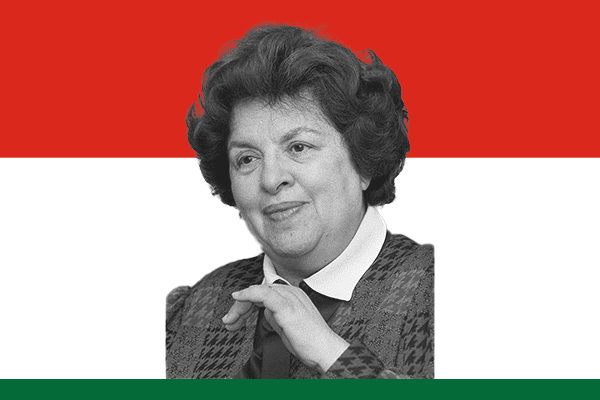
Early Life and Education
Maria de Lourdes Pintasilgo was born on January 18, 1930, in Abrantes, Portugal. She grew up in a modest family and developed a strong sense of discipline and purpose from an early age. She pursued higher education in chemical engineering at the Instituto Superior Técnico in Lisbon, where she distinguished herself as a dedicated and intelligent student.
Instead of limiting herself to academic achievements, she actively engaged in social and religious organizations. Her involvement in Catholic youth movements shaped her worldview and strengthened her commitment to ethical leadership and community service.
Early Career and Social Engagement
Pintasilgo began her professional career as an engineer, but she quickly moved into public service and international work. She collaborated with organizations that focused on education, development, and social welfare. Through her work with the United Nations Educational, Scientific and Cultural Organization (UNESCO), she contributed to global discussions on education and human development.
She actively participated in efforts that promoted equality and social progress. Her leadership style reflected a combination of technical expertise and humanitarian concern. Rather than remaining passive, she consistently sought opportunities to improve society through policy and advocacy.
Political Rise and Prime Ministership
In 1979, during a period of political instability in Portugal, Pintasilgo became Prime Minister as the head of a caretaker government. Although her term lasted only a few months, she made a lasting impact by addressing key national issues. She introduced policies that supported social welfare, healthcare, and workers’ rights.
She actively encouraged public dialogue and sought to involve citizens in the democratic process. Her government emphasized transparency and inclusiveness, setting an example for future leadership. Despite the temporary nature of her role, she demonstrated strong leadership and a clear vision for Portugal’s future.
Advocacy and Later Contributions
After her tenure as prime minister, Pintasilgo continued to play an influential role in Portuguese and international affairs. She ran for president in 1986, becoming one of the first women to contest the office in Portugal. Although she did not win, her campaign highlighted issues such as gender equality, social justice, and ethical governance.
She remained active in intellectual and political circles, contributing to debates on development, feminism, and democracy. She also worked with European institutions and global organizations, advocating for policies that promoted human dignity and sustainable development.
Leadership Style and Legacy
Maria de Lourdes Pintasilgo led with integrity, vision, and compassion. She combined technical knowledge with a deep commitment to social values, creating a unique leadership approach. She did not merely hold office; she actively worked to transform society.
Her legacy lies in her pioneering role as a female leader and her dedication to progressive ideals. She opened doors for women in politics and demonstrated that leadership requires both competence and empathy. Her influence continues to resonate in discussions about gender equality and democratic governance.
Conclusion
Maria de Lourdes Pintasilgo remains a significant figure in Portugal’s political history. Through active leadership and unwavering commitment to social progress, she shaped the nation during a critical period. Her contributions extend beyond her time in office, leaving a lasting impact on politics, society, and global thought.