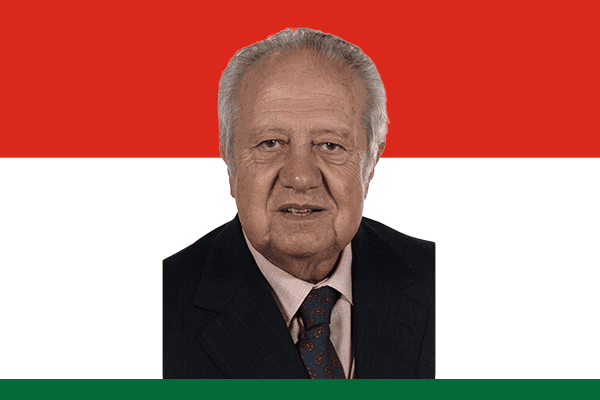
Early Life and Education
Mário Soares was born on December 7, 1924, in Lisbon, Portugal. He grew up in a politically aware family that valued education and civic responsibility. He studied history and philosophy before pursuing a law degree at the University of Lisbon. During his student years, he actively opposed the authoritarian regime of António de Oliveira Salazar.
Instead of remaining silent, Soares joined resistance movements and advocated for freedom and democracy. His activism led to multiple arrests and periods of exile, which strengthened his resolve to fight for political change.
Role in the Democratic Transition
Soares played a central role in Portugal’s transition to democracy following the Carnation Revolution in 1974. He returned from exile and immediately became a key figure in shaping the country’s new political system. He co-founded the Socialist Party and worked actively to establish democratic governance.
Rather than allowing instability to dominate the transition, Soares promoted moderation, dialogue, and institutional development. He helped draft policies that ensured free elections, political pluralism, and respect for human rights.
Prime Ministership
Mário Soares served as Prime Minister of Portugal from 1976 to 1978 and again from 1983 to 1985. During his tenure, he actively addressed economic challenges and political instability. He implemented reforms that strengthened democratic institutions and stabilized the economy.
He also played a crucial role in securing Portugal’s membership in the European Economic Community (now the European Union). This achievement marked a significant step in integrating Portugal into the European political and economic framework.
Presidency
In 1986, Soares became President of Portugal, serving until 1996. As president, he actively promoted national unity and democratic values. He used his position to ensure political stability and encouraged cooperation among political parties.
Rather than adopting a passive ceremonial role, Soares engaged actively in public life. He represented Portugal internationally and reinforced the country’s commitment to democracy and human rights.
Leadership Style and Legacy
Mário Soares led with resilience, vision, and a strong commitment to democratic principles. He consistently advocated for freedom of expression, social justice, and political participation. His leadership helped transform Portugal into a stable and democratic nation.
He did not avoid challenges; instead, he confronted political crises with determination and pragmatism. His ability to balance reform with stability earned him respect both domestically and internationally.
Personal Life
Soares maintained a strong connection to his family and personal values throughout his life. He married Maria de Jesus Barroso, an actress and political activist, who supported his political journey. Together, they contributed to Portugal’s cultural and political life.
Conclusion
Mário Soares remains a defining figure in Portugal’s modern history. Through active leadership and unwavering commitment to democracy, he guided the nation through a critical transformation. His contributions to political reform, European integration, and democratic governance continue to influence Portugal today.