Mr. Mendsaikhany Enkhsaikhan
In Office: 19 July 1996 – 23 April 1998
Political Party: DUC
Home State: Ulaanbaatar
Lifespan: born 1955
Country: Mongolia
Image credits available here.
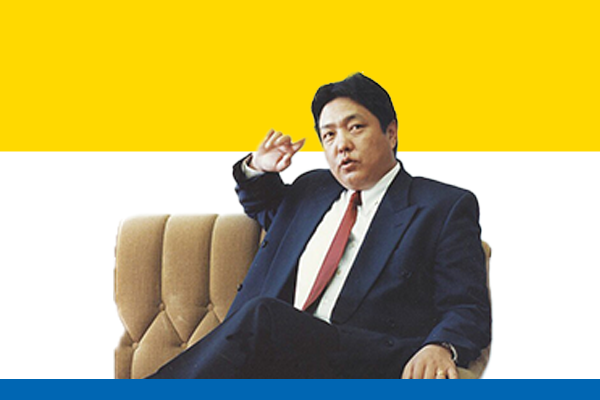
Early Life and Education
Mendsaikhany Enkhsaikhan was born on June 20, 1955, in Ulaanbaatar, the capital city of Mongolia. He grew up during the socialist period when Mongolia was closely aligned with the Soviet Union. Enkhsaikhan was a bright student and showed strong academic abilities from a young age. He pursued higher education in economics, which later helped him play an important role in Mongolia’s economic reforms.
He studied at the Irkutsk Institute of National Economy in Russia, where he gained knowledge about economic planning and management. His education gave him the skills needed to work in government and contribute to Mongolia’s transformation.
Early Political Career
Enkhsaikhan began his career as an economist and worked in several government institutions. His political career started to grow after Mongolia’s peaceful democratic revolution in 1990, which ended decades of socialist rule. This revolution opened the door for new political leaders and democratic reforms.
He became a member of the Democratic Party, which supported democracy, free markets, and political freedom. Enkhsaikhan quickly became an influential figure because of his economic knowledge and leadership abilities.
Becoming Prime Minister
In 1996, the Democratic Party won the parliamentary elections, marking the first time a non-communist party came to power in Mongolia. After this historic victory, Enkhsaikhan was appointed Prime Minister. His appointment was seen as a symbol of Mongolia’s democratic progress.
As Prime Minister, he focused on strengthening the economy and reducing government control over businesses. He supported privatization, which meant transferring state-owned companies to private ownership. His goal was to make the economy more efficient and encourage investment.
Economic Reforms and Challenges
During his time in office, Enkhsaikhan introduced several important reforms. He worked to control inflation, improve the banking system, and attract foreign investment. These reforms were necessary because Mongolia was facing economic difficulties after the collapse of the Soviet Union, which had previously provided financial support.
However, his reforms were not easy to implement. Many people faced unemployment and economic hardship during this transition. There were also political disagreements within his own party. These challenges made his leadership difficult.
Despite these problems, Enkhsaikhan’s efforts helped Mongolia continue its transition toward a market-based economy.
Later Career and Contributions
Enkhsaikhan served as Prime Minister until 1998. After leaving office, he continued to serve Mongolia in various roles. He worked as an advisor, diplomat, and politician. He remained involved in economic policy and national development.
He also represented Mongolia internationally and helped strengthen the country’s relations with other nations. His experience and knowledge made him an important figure in Mongolia’s modern history.
Legacy and Importance
Mendsaikhany Enkhsaikhan is remembered as one of the key leaders of Mongolia’s democratic era. His leadership helped guide the country during a difficult but important period of change. He played a major role in introducing economic reforms and supporting democracy.
Although his time as Prime Minister was challenging, his contributions helped Mongolia move toward stability and growth. Today, he is respected for his dedication and service to his country.